
Retatrutide has become the most searched-for research peptide in the metabolic category, and with that demand has come a flood of suppliers of wildly uneven quality. For a research program, receiving the wrong compound, an underdosed vial, or an endotoxin-contaminated lot is not an inconvenience; it invalidates every experiment the material touches. This guide covers what to verify before ordering retatrutide from any supplier, ours included, and how to read the documents that separate real quality assurance from marketing.
Start With Identity, Not Purity
Most buyers fixate on purity percentages, but purity is the second question. The first is identity: is the compound in the vial actually retatrutide? Retatrutide is a 39-amino acid triple-agonist peptide with a precise molecular mass, and mass spectrometry confirms that identity unambiguously. A supplier who cannot show mass spec data for the product has not proven the vial contains retatrutide at all, and a 99% purity claim means nothing if the pure substance is the wrong molecule. Ask for both: identity by mass spectrometry, purity by HPLC.
Read the Certificate of Analysis Like a Reviewer
A real Certificate of Analysis (our field-by-field reading guide covers each element) names the testing laboratory, the analytical methods used, the date of analysis, and the measured values. Treat these details the way a journal reviewer would. A COA with no named lab is a document anyone could have typed. A COA with a purity figure but no method is a number without evidence. We publish our certificates openly in our testing data library, and any customer can match a vial to its certificate through the COA portal. Whatever supplier you evaluate, insist on the same transparency, and read our full seven-point supplier vetting checklist for the broader picture.
Know What Strength You Actually Need
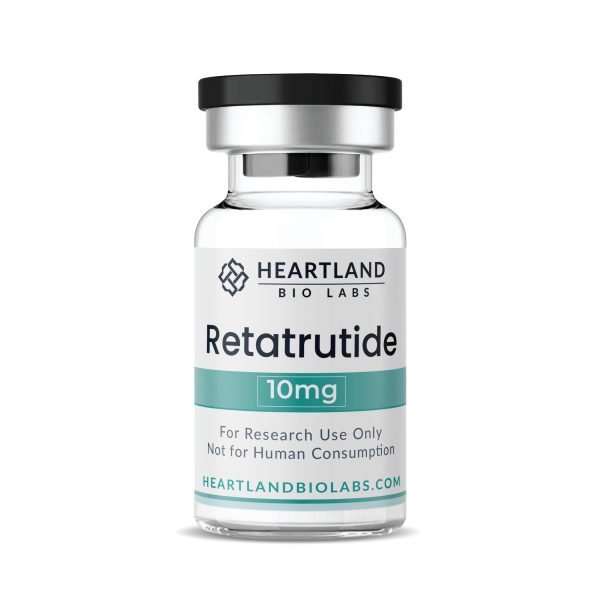
Retatrutide is typically sold in 10mg, 20mg, and 30mg research vials, and price-per-milligram falls as vial size rises. The right choice depends on your protocol’s scale, because a reconstituted vial has a limited refrigerated life and unused solution is wasted material. Smaller programs generally get more usable material from two smaller vials opened sequentially than one large vial opened once. Our retatrutide product page lists all three strengths with current pricing, and the research overview covers the compound’s chemistry and handling in depth.
Strength choice also drives the reconstitution math. A larger vial reconstituted in the same diluent volume gives a more concentrated stock, which affects how much solution is drawn per sample and how many aliquots a single vial yields. The peptide calculator lets a researcher compare 5mg, 10mg, and larger vials at different diluent volumes before ordering, so the strength purchased matches the concentration the protocol calls for.
The Counterfeit Problem Is Real
High-demand compounds attract counterfeiters, and the GLP-1 receptor agonist family is currently the most counterfeited category in the research peptide market. The pattern is consistent: a price dramatically below market, stock photography, no verifiable lab documentation, and often a compound that turns out to be a cheaper peptide or nothing at all. Market price for legitimate, tested retatrutide reflects the real cost of synthesis and analysis of a 39-residue peptide. A price that looks too good to be true is the single most reliable red flag in this market.
Shipping and Handling Expectations
Lyophilized retatrutide is stable at ambient temperature for the duration of normal shipping, so cold-chain transit is not required for the freeze-dried powder; refrigeration matters after arrival and especially after reconstitution with bacteriostatic water. What you should expect from any serious supplier is fast dispatch, tracked delivery, and vials that arrive sealed with intact crimp caps and clear labeling identifying compound and strength.
Questions Worth Asking Before Any Order
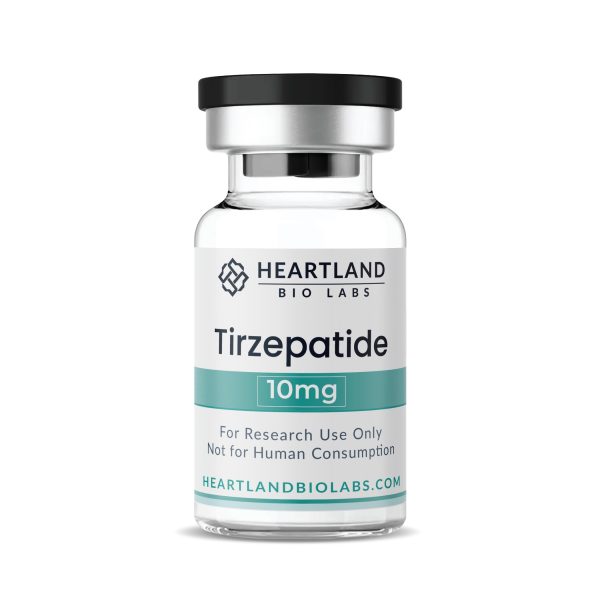
Where was this product tested, and can I see the certificate before purchasing? Is testing done per product by an independent laboratory? Does the listed price correspond to a verified strength? Is the compound sold under research-use-only terms with clear documentation? A supplier who answers all four quickly and specifically is showing you their operation. One who deflects is showing you something too. For comparing retatrutide against its nearest research relative, our retatrutide vs tirzepatide comparison covers how the two compounds differ at the receptor level.
Research Use Only
Retatrutide is sold strictly for laboratory research use by qualified professionals. It is not for human or veterinary use and may not be used in diagnostics or therapeutics. This article is educational material about quality verification in the research supply market and makes no therapeutic claims.
Research compounds in this article
For research use only. Not for human consumption. Every product ships with a published certificate of analysis.