Recovery
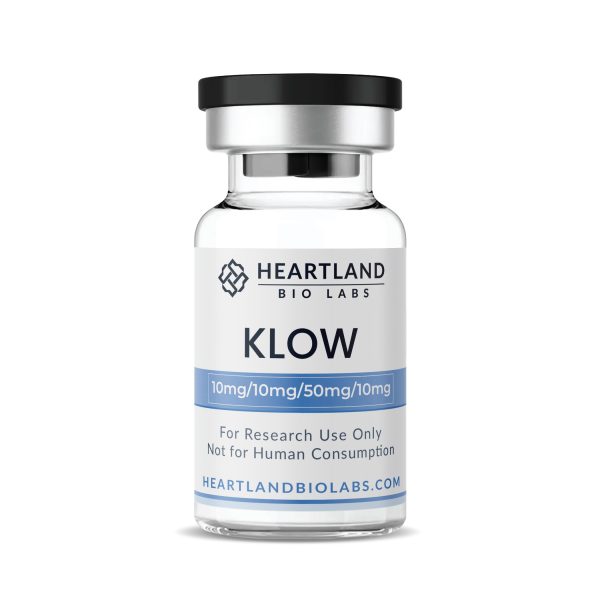
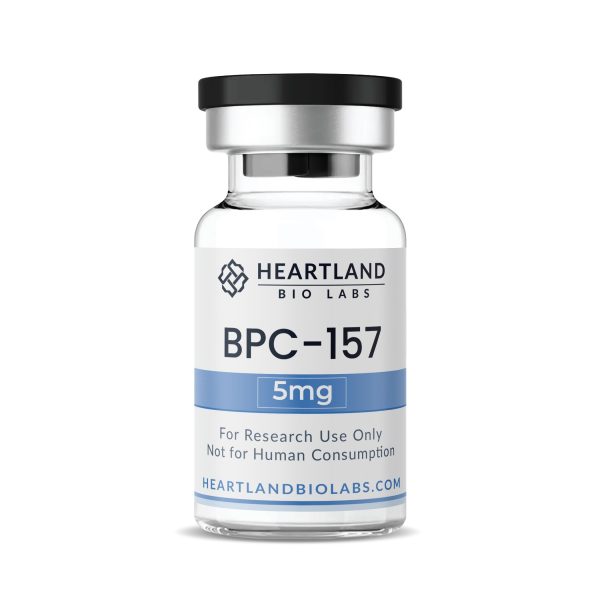
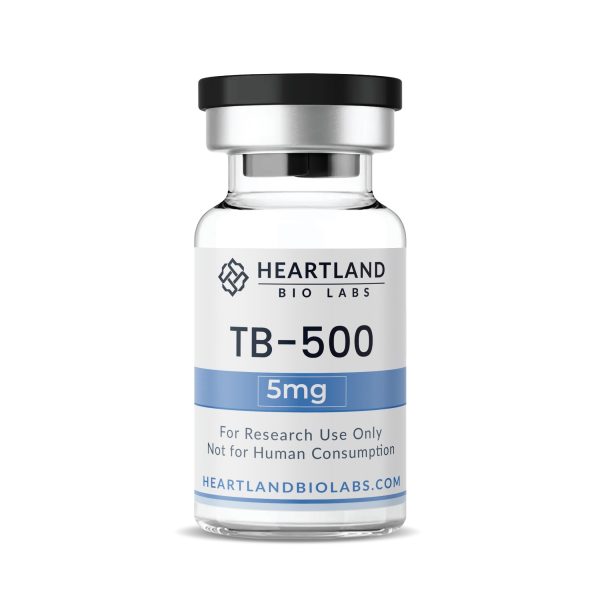
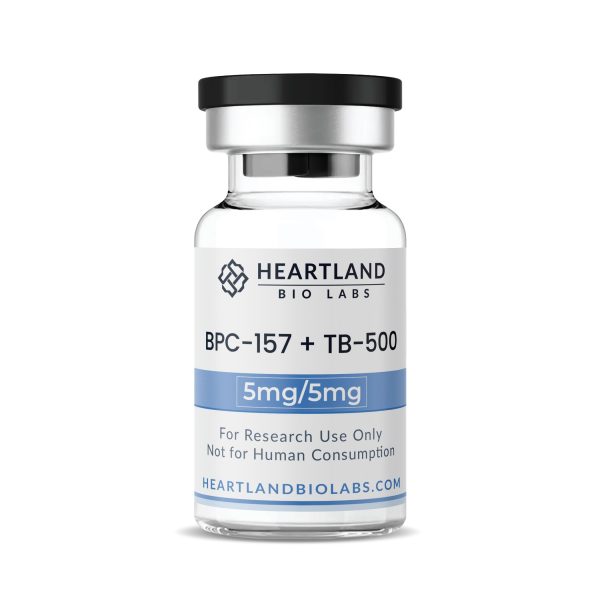
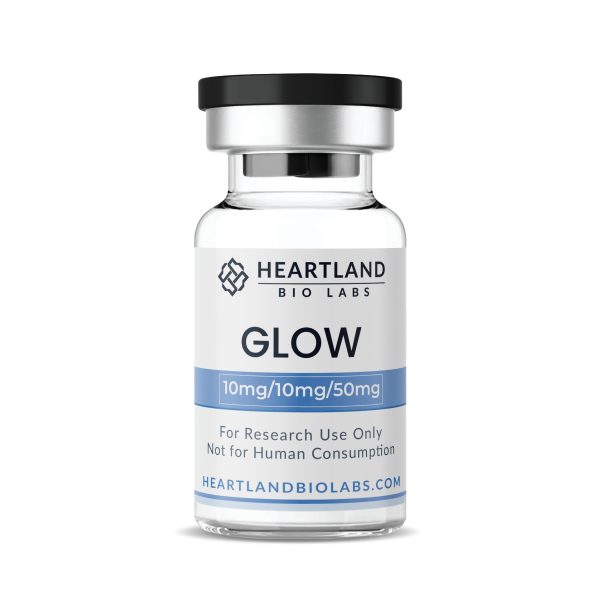
Recovery research peptides are the compounds most often studied for cytoprotection, tissue signaling, and repair pathways in preclinical models. This category collects the compounds laboratories order most for that work: BPC-157, the stable fifteen-amino-acid pentadecapeptide that anchors most of the published literature; TB-500, the thymosin beta-4 fragment studied in actin regulation and cytoskeletal signaling; and the fixed-ratio blends that combine them, including the BPC-157 and TB-500 dual blend, the three-compound GLOW, and the four-compound KLOW.
Singles or blends?
The choice comes down to control. Single vials let a research program set its own ratios between compounds and vary them between runs. Blends fix the ratio at manufacture, which is the point when a study design calls for the same combination vial after vial, with one reconstitution and one certificate covering the finished product. Programs isolating a single pathway buy singles; programs studying compounds together at a consistent ratio buy the blend.
What to verify before ordering
Recovery compounds are among the most counterfeited in the research peptide market, because demand is high and the names are well known. The checks that separate documented material from labeled material are the same for every compound here: independent laboratory testing rather than in-house claims, HPLC purity paired with mass spectrometry identity confirmation, and a certificate published where you can read it before paying. Blends need one thing more, component-level assay data, because a single purity number on a multi-peptide vial cannot tell you what is actually in it.
Every compound in this category is tested by an independent analytical laboratory, with certificates in our COA portal. Our guides on reading a certificate of analysis and vetting a research peptide supplier show you how to hold us, and every other vendor, to that standard. All compounds are sold for laboratory research use only.