Performance
Performance research peptides are the growth-hormone-axis compounds: the analogues and secretagogues laboratories use to study how the body’s own growth hormone signaling is regulated. This category covers both halves of that axis, which is the distinction that should drive any study design here.
The two pathways, and why it matters
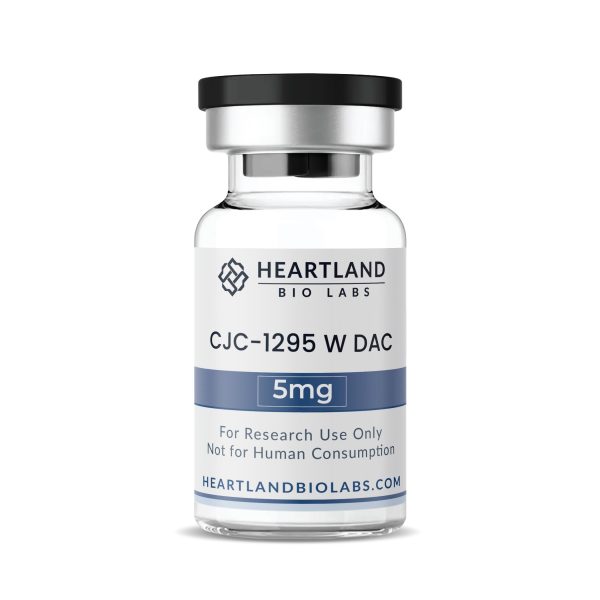
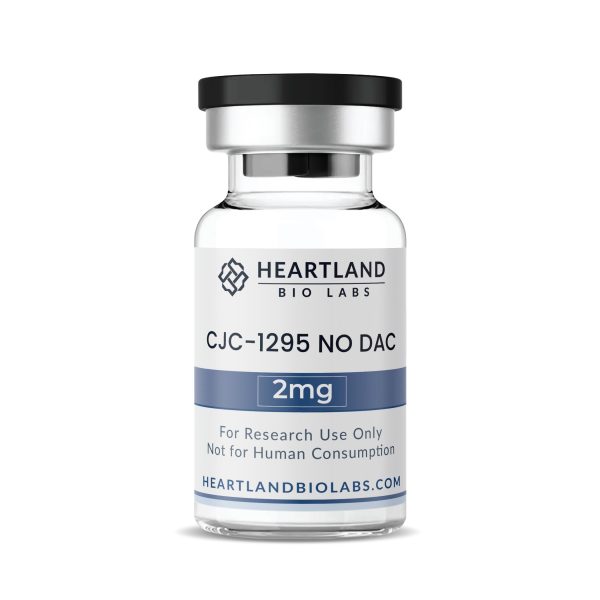
One side works through the GHRH receptor. Sermorelin is the baseline, the minimal twenty-nine-residue fragment of the native hormone that everything else descends from. Tesamorelin keeps the full forty-four-residue hormone and stabilizes its vulnerable end. CJC-1295 with DAC takes the short fragment and engineers it for multi-day persistence through albumin binding.
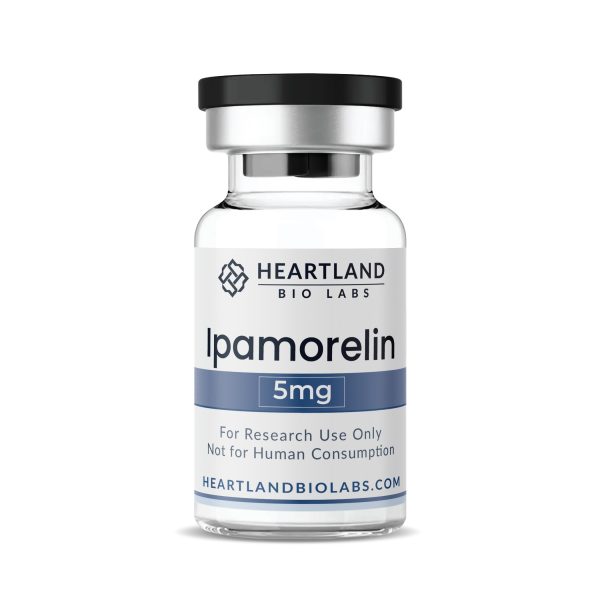
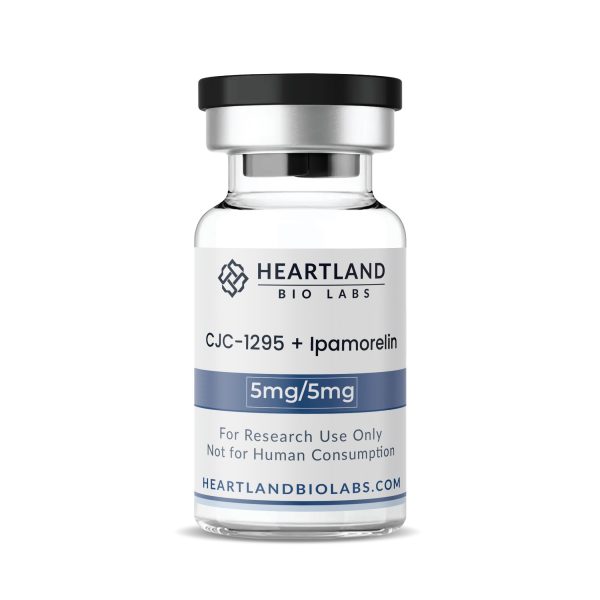
The other side works through the ghrelin receptor, a completely separate signaling route that converges on related outcomes. Ipamorelin is the selectivity benchmark of that family, developed after the earlier GHRP-2 and GHRP-6 to act on its target with less activity elsewhere. Because the two pathways are distinct, they are frequently studied together, which is what the fixed-ratio CJC-1295 and ipamorelin blend exists for.
Choosing between them
A program isolating one receptor system wants a single compound from one side. A program examining how the pathways interact wants one from each, or the blend. And a program comparing stabilization strategies wants sermorelin as the unmodified reference against the engineered analogues, which is precisely the research value of keeping the baseline molecule in the catalog.
Every compound here is independently tested for purity by HPLC and identity by mass spectrometry, with certificates published in our COA portal before you order. Longer peptides are demanding syntheses, which is exactly why the certificate matters. All compounds are sold for laboratory research use only.