
Tirzepatide is the compound that redefined what a metabolic research peptide can be: a single synthetic molecule engineered to engage two different incretin receptors at once. This overview covers what tirzepatide is structurally, why the dual receptor design matters to researchers, how the molecule behaves in storage and handling, and what quality verification looks like for a peptide this complex.
What Tirzepatide Is
Tirzepatide is a 39 residue synthetic peptide built on the backbone of GIP, the glucose dependent insulinotropic polypeptide, and engineered to also activate the GLP-1 receptor. A C20 fatty diacid moiety is attached through a linker to a lysine residue, a modification that promotes albumin binding and extends the molecule’s persistence in experimental systems. Two non natural amino acids protect it against enzymatic cleavage. It is not a natural hormone; it is a deliberately designed hybrid, and that design is exactly what makes it interesting to receptor pharmacology research.
The Dual Receptor Design
Most incretin research peptides engage one receptor. Semaglutide is a single receptor GLP-1 analogue. Tirzepatide binds both the GIP receptor and the GLP-1 receptor, with an affinity profile that favors GIP, which makes it a tool for asking questions single receptor agonists cannot: how the two signaling pathways interact, what co activation does that separate activation does not. The next step in that series, retatrutide, adds a third receptor; our retatrutide vs tirzepatide comparison maps the differences in detail.
Stability and Handling
As lyophilized powder, tirzepatide is stable when kept cold, dry, and protected from light. The fatty diacid modification makes the molecule amphiphilic, so reconstituted material is more prone to aggregation at interfaces than a simple unmodified peptide would be. Gentle swirling rather than shaking, minimal freeze thaw cycling, and cold storage of solutions are the standard handling practices reported in the analytical literature for lipidated peptides of this class.
Quality Verification for a Complex Molecule
A 39 residue sequence with a synthetic linker and fatty acid attachment gives a manufacturer many opportunities to get something subtly wrong: truncated sequences, incomplete conjugation, oxidation. That is why verification for tirzepatide rests on two independent measurements. Mass spectrometry confirms the intact molecular weight, which catches missing residues and failed conjugation, and HPLC quantifies purity against the impurity background. Certificates for our tirzepatide are published through the COA portal, and our guide to reading a certificate of analysis explains every field on them, including the difference between purity and net peptide content.
Where It Sits in the Metabolic Series
The metabolic research peptides category is organized by receptor count: semaglutide engages one receptor, tirzepatide two, retatrutide three, and cagrilintide stands apart as the non incretin amylin analogue. Tirzepatide is the middle of the incretin ladder, which is precisely why comparative receptor studies so often anchor on it.
Research Use Only
Tirzepatide is supplied strictly for laboratory research by qualified professionals. It is not for human or veterinary use of any kind. Nothing in this overview is a protocol, a recommendation, or a claim of therapeutic effect.
Research compounds in this article
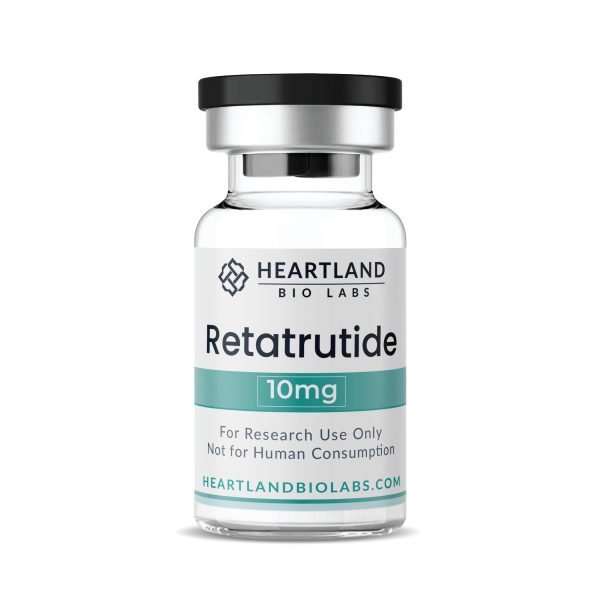
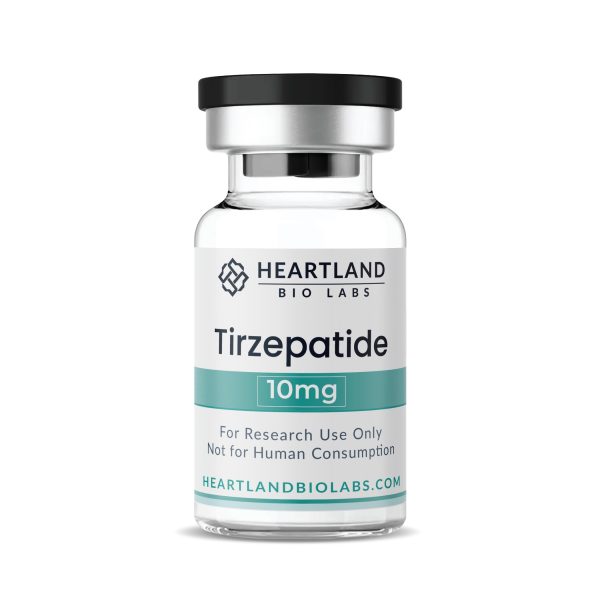


For research use only. Not for human consumption. Every product ships with a published certificate of analysis.