
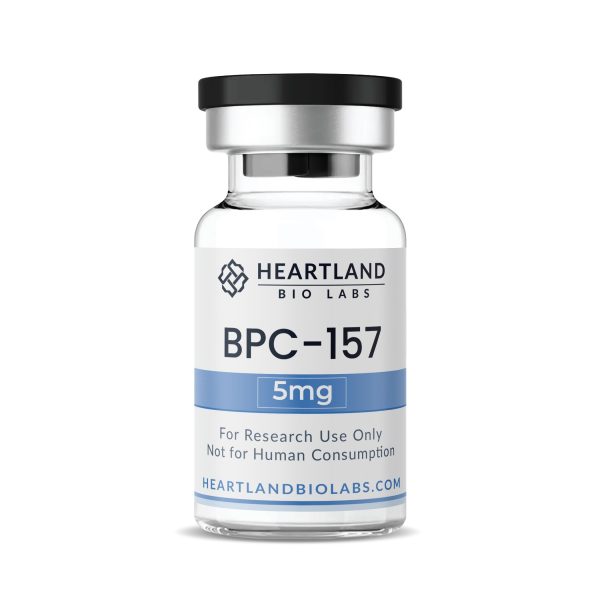
BPC-157 is the most widely recognized name in research peptides, and popularity cuts both ways. High demand attracts low quality supply, and no compound in this space is offered by more sellers with less documentation. This guide covers what to verify before ordering BPC-157 for laboratory work: the documents that matter, the red flags that should end a purchase, and the questions any legitimate supplier can answer without hesitation.
Why Verification Matters More Here
The economics are simple. A compound this searched for can be sold by anyone with a website and a stock photo, and the buyer has no way to see what is in a vial. The material itself adds a wrinkle: BPC-157 is a fifteen residue synthetic peptide, long enough that failed synthesis produces truncated sequences which still look like white powder and still dissolve clear. Only analytical testing separates the real material from the near misses.
The Certificate of Analysis Comes First
Before price, before shipping speed, ask one question: is there a certificate of analysis from an independent laboratory, and does it name that laboratory? A meaningful certificate shows identity confirmation by mass spectrometry, a purity value from HPLC, and net peptide content. Those last two are different numbers measuring different things, and confusing them is the most common mistake buyers make. Our guide to reading a certificate of analysis for peptides walks through every field.
Red Flags That Should End the Purchase
No certificate at all is the obvious one, but partial documentation fails the same test. A certificate with no laboratory name cannot be checked. A purity claim with no chromatogram behind it is a marketing sentence. A universal purity figure applied to every product in a catalog is a statistical impossibility presented as quality control. And a seller who answers questions about testing with talk of results or effects is not describing laboratory material at all.
Questions Any Real Supplier Can Answer
Four questions sort suppliers quickly. Which independent laboratory performs the testing? Is testing reported per product with documents a buyer can open before ordering? What is the net peptide content, not just the purity percentage? What technique confirmed identity? A supplier with real documentation answers all four in minutes, because the answers are already published.
How Heartland Bio Labs Handles It
Our BPC-157 documentation is published rather than promised. Certificates from an independent analytical laboratory are available through the COA portal, and the testing methods page is generated from the published certificates themselves, so it lists only techniques that actually appear on real documents. The BPC-157 research overview covers the compound itself: structure, stability behavior, and what quality means for this specific sequence.
Related Material for the Same Research Space
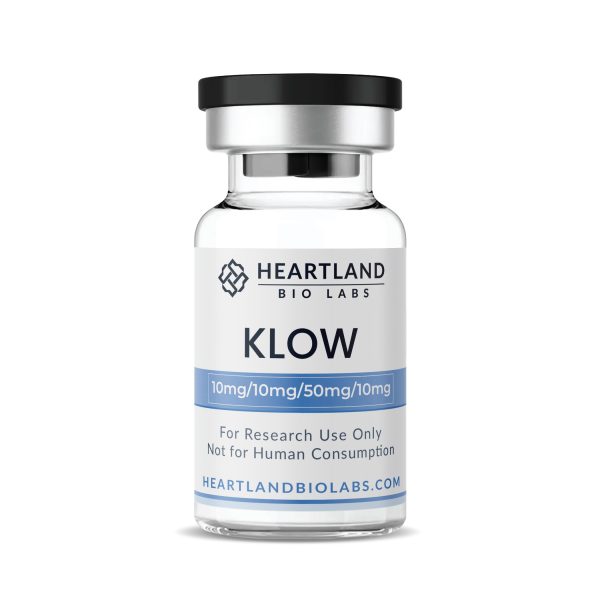
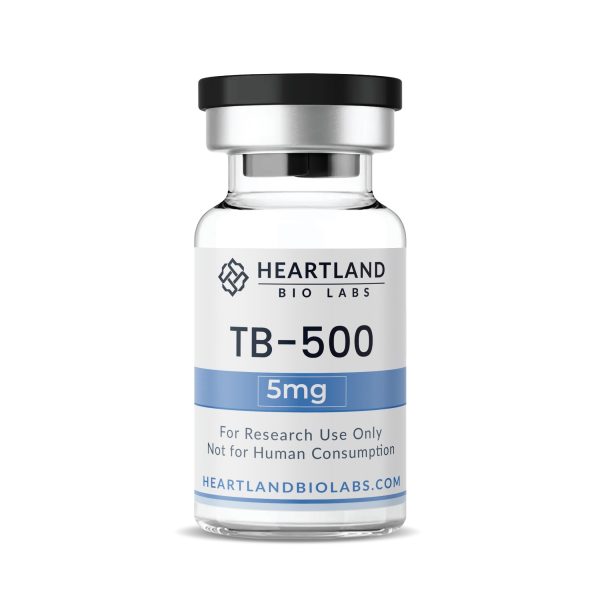
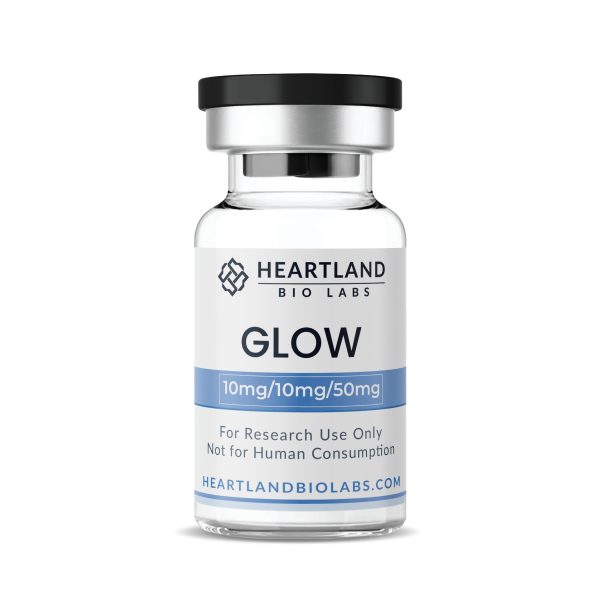
BPC-157 rarely travels alone in research catalogs. It is half of the most established two compound pairing in this space, covered in our wolverine peptide stack guide, and available as a combined vial with TB-500. For how the two compounds differ, see the BPC-157 vs TB-500 comparison. The GLOW and KLOW blends extend the same core with additional components.
After the certificate checks out and the vial arrives, the remaining question is reconstitution. BPC-157 is typically supplied as a lyophilized 5mg or 10mg vial, and the concentration of the stock depends entirely on how much diluent is added. The Heartland peptide calculator handles that mass-to-concentration conversion, plus the aliquot math for splitting a vial across storage tubes, without any guesswork.
Research Use Only
BPC-157 and all compounds discussed here are supplied strictly for laboratory research by qualified professionals. They are not for human or veterinary use of any kind. Nothing in this article is a protocol, a recommendation, or a claim of therapeutic effect.
Research compounds in this article
For research use only. Not for human consumption. Every product ships with a published certificate of analysis.