
Tesamorelin answers a question that separates it from every other GHRH analogue in the catalog: what happens when you stabilize the full length hormone instead of trimming it down? This overview covers what tesamorelin is structurally, how its stabilization strategy differs from its relatives, handling behavior, and verification.
What Tesamorelin Is
Tesamorelin is a synthetic analogue of growth hormone releasing hormone that keeps the complete 44 residue sequence of the natural hormone and adds one modification: a trans-3-hexenoyl group attached to the tyrosine at the N terminus. That single addition shields the end of the molecule that enzymes attack first, extending its persistence in experimental systems while leaving the rest of the native sequence untouched.
Three Ways to Stabilize the Same Hormone
The GHRH analogues in this catalog are three different engineering answers to the same instability problem. Sermorelin trims the hormone to its active 29 residue fragment and accepts a short experimental life. The CJC-1295 variants modify that fragment further, with the DAC version adding an albumin binding group for much longer persistence. Tesamorelin takes the opposite path: full native sequence, minimal modification. For a researcher, the choice among them is a choice about how closely the tool should resemble the natural hormone versus how long it should last. Our GH-axis peptide family map places all three strategies side by side.
The GHRH Receptor Side of the Axis
All of these compounds work through the GHRH receptor, one of the two receptors that organize the growth hormone axis family; the other side belongs to the ghrelin receptor compounds like ipamorelin. Because tesamorelin preserves the full native sequence, it is often treated as the closest available proxy for the natural hormone in receptor studies, the reference the trimmed and modified variants are compared against.
Stability and Handling
The engineering that protects tesamorelin in experimental systems does not make the vial immortal: as a 44 residue peptide it remains sensitive to heat, moisture, and repeated freeze thaw cycling. Cold, dry, dark storage of the lyophilized material and refrigerated, gently handled solutions are the standard practices.
Quality Verification
A full length modified peptide is verified the same way as the rest of the catalog, with methods matched to the molecule: mass spectrometry confirms the intact modified sequence, HPLC quantifies purity, and net peptide content ties the certificate to the label. Certificates for our material are published through the COA portal, and our guide to reading a certificate of analysis for peptides covers each field.
Research Use Only
Tesamorelin is supplied strictly for laboratory research by qualified professionals. It is not for human or veterinary use of any kind. Nothing in this overview is a protocol, a recommendation, or a claim of therapeutic effect.
Research compounds in this article
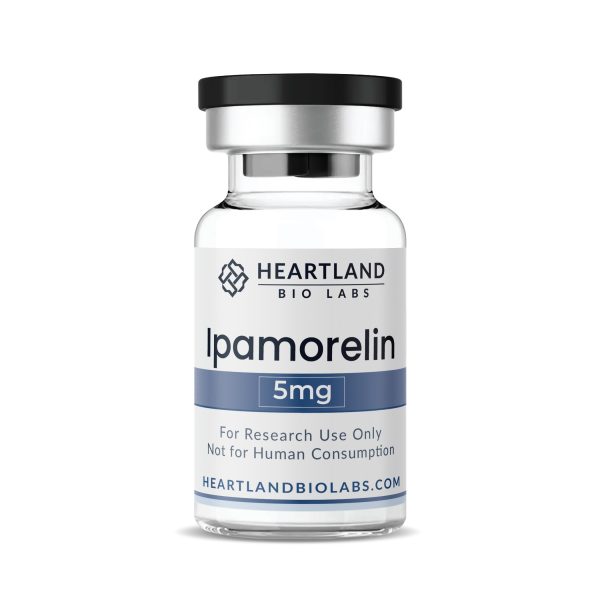
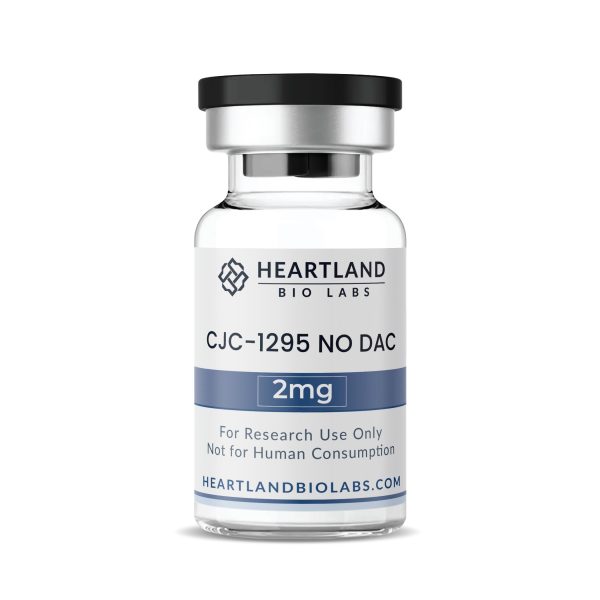
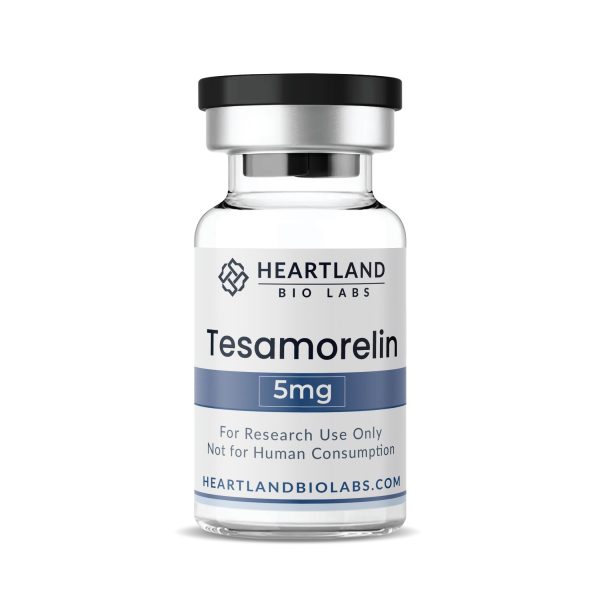
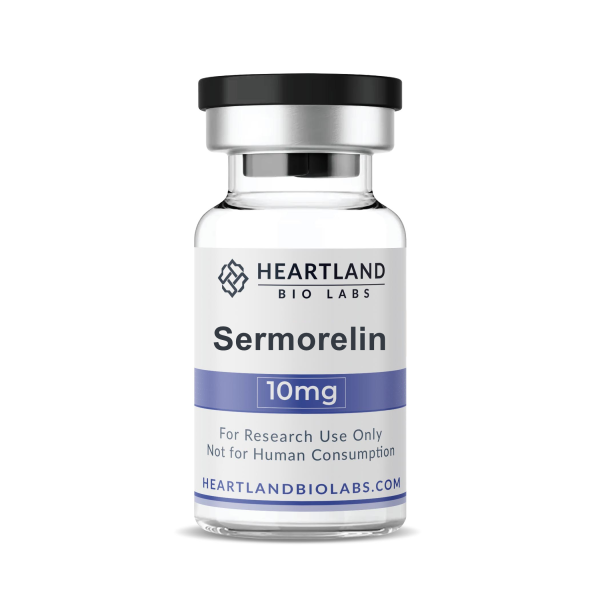
For research use only. Not for human consumption. Every product ships with a published certificate of analysis.