Free shipping $200+ · Order by 2pm CT, ships today from Tulsa, OK · Research Use Only — Not for human consumption · Documentation you can verify beats claims you have to trust · Questions? (405) 814-0022
Research Use Only — Not for Human Consumption

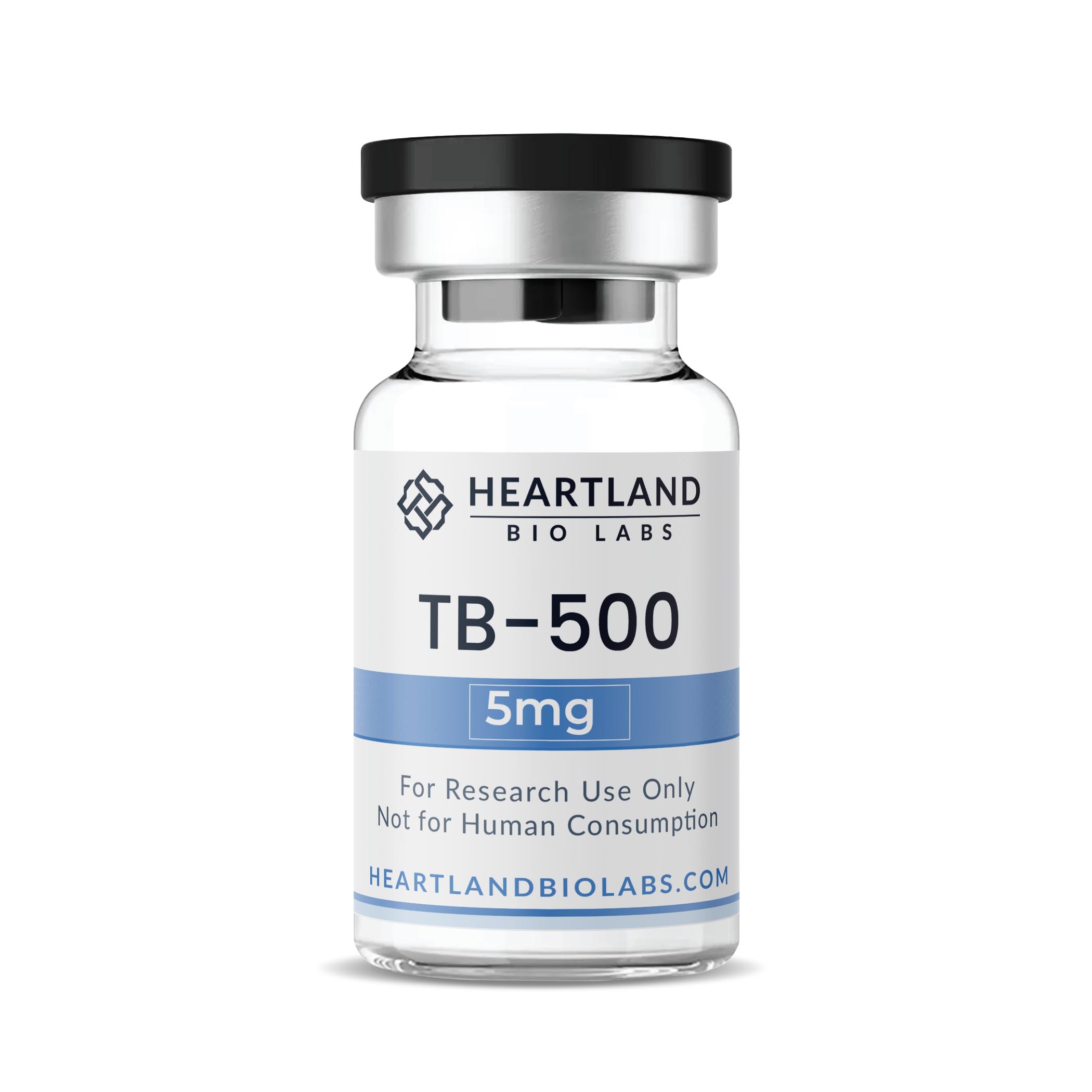
TB-500

  • 99.98% HPLC
  • COA Per product

TB-500 is a synthetic peptide fragment of Thymosin Beta-4, a 43-amino acid protein found at high concentration in blood platelets and wound fluid. TB-500 reproduces the actin-binding region of the parent protein, the segment most studied in cell migration research. Heartland Bio Labs supplies TB-500 as a lyophilized research compound of verified purity.

$45.00

Same-day shipping if you order today

100% Quality Guarantee If a product ever fails its COA spec, we replace it free or refund — no questions.

What Is TB-500?

TB-500 is a synthetic peptide corresponding to the central active region of Thymosin Beta-4, a small 43-amino acid protein that occurs naturally in nearly every human and animal cell type, with especially high concentrations in blood platelets and in the fluid of healing wounds. Rather than reproducing the full protein, TB-500 isolates the short segment containing the sequence LKKTETQ, the actin-binding domain that accounts for most of the parent protein's activity in published research. Working with the fragment instead of the full protein gives laboratories a smaller, more stable, and more economical tool for studying the same binding interaction.

The Actin Connection

Thymosin Beta-4 is the principal actin-sequestering molecule in mammalian cells. Actin is the structural protein that cells assemble and disassemble to change shape and move, and the cell keeps a large reserve of unpolymerized actin monomers on standby by binding them to Thymosin Beta-4. This places the protein, and by extension its active fragment, at the center of research on cell migration: how endothelial cells travel to form new vessels, how keratinocytes and fibroblasts move across a wound bed in culture, and how progenitor cells are recruited in tissue models. When researchers study TB-500, the actin-binding interaction is almost always the mechanism under examination.

TB-500 and BPC-157: Why They Are Studied Together

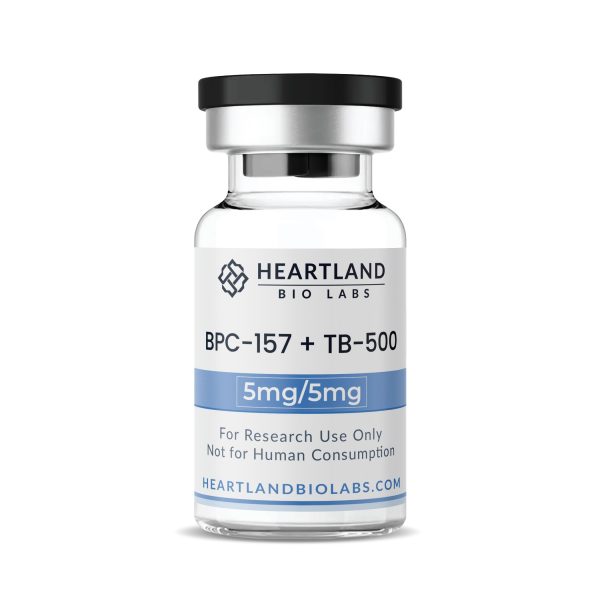
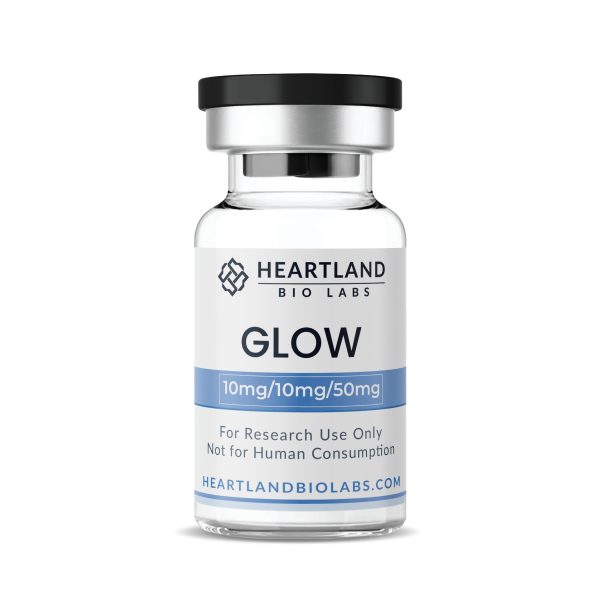
TB-500 is frequently discussed alongside BPC-157, but the two compounds could hardly be more different in origin. BPC-157 is a synthetic fragment derived from a protective protein found in gastric juice, while TB-500 comes from a ubiquitous actin-regulating protein. They act through unrelated mechanisms, which is precisely why repair-focused research programs often examine them as complementary rather than interchangeable tools. That pairing logic is the basis of our BPC-157 + TB-500 dual blend, and both compounds also anchor the multi-peptide GLOW and KLOW blends, where they are combined with GHK-Cu and, in KLOW, KPV. Researchers comparing single-compound and combination designs can find the exact per-component masses on each blend page.

Research Applications

The preclinical literature on Thymosin Beta-4 and its active fragment spans cell migration assays, angiogenesis models, dermal and corneal tissue studies, and cardiac tissue research, with the actin-binding mechanism as the common thread. TB-500's stability in solution relative to the full-length protein has made it a standard choice for in vitro work in these areas. All Heartland Bio Labs compounds are supplied strictly for laboratory research by qualified professionals.

Quality Verification

Every compound we stock is tested per product by an independent analytical laboratory, with identity confirmed by mass spectrometry and purity assessed by HPLC. Certificates of Analysis are published openly in our testing data library, and customers can match their vial to its certificate through the COA portal.

Handling and Storage

TB-500 is frequently studied alongside BPC-157, a pairing common enough to have earned its own nickname. Our guide to the wolverine peptide stack explains the name and how the two compounds differ in structure and mechanism.

TB-500 is supplied as a lyophilized powder in sealed vials. Store lyophilized vials refrigerated, protected from light and humidity. Once reconstituted with bacteriostatic water for laboratory use, keep solutions refrigerated and use them within the timeframe appropriate to the research protocol, avoiding repeated temperature cycling.

Reconstitution math

Work out concentration (mg/mL), amount per volume and molarity for any vial size with the TB-500 reconstitution calculator, general peptide calculator. For the bench procedure see how to reconstitute peptides.

Research Use Only

This product is sold for laboratory research use only. It is not for human or veterinary use, not a drug, food, or cosmetic, and may not be used in diagnostics or therapeutics. By purchasing, the buyer confirms they are a qualified researcher and accepts our terms of sale.
Thymosin Beta-4 and its analogues have been the subject of extensive preclinical research investigating actin polymerization regulation, cell migration, and angiogenic signaling. TB-500 is frequently utilized in in vitro and in vivo models exploring cellular remodeling mechanisms, inflammatory signaling, and endothelial cell behavior. Academic literature has documented its activity in in vitro cellular biology models, endothelial biology studies, and connective tissue research.

This compound is supplied strictly for research purposes. No clinical or therapeutic application is implied or represented.

Analytical specifications for this product are available on request.

For research and laboratory use only. Not for human or veterinary consumption. Not evaluated by the FDA. See full site disclaimer.

Every product is tested before release. Results for all certificates for this product are published below, including superseded certificates so previously purchased material remains verifiable.

StrengthLotPurityMethodReportedCertificate
10mgHBL-20260806-D5CP99.98%HPLC (chromatographic purity, % of total peak area)August 18, 2026View certificate

Handling Information

TB-500 should be handled under standard laboratory conditions with appropriate personal protective equipment. Minimize exposure to air and light during handling. Avoid repeated freeze-thaw cycles once reconstituted. This compound is intended for use by qualified research professionals only.

Storage Requirements

  • Long-term (lyophilized): Store at -20°C, protected from light and moisture
  • Short-term (reconstituted): Store at 4°C; use within 28 days
  • Do not expose to high temperatures or direct sunlight
  • Keep in original sealed vial until point of use
How should I store this peptide?+

Lyophilized peptides should be stored at −20°C in a dry, light-protected environment. Avoid repeated freeze-thaw cycles. Once reconstituted, store at 2-8°C and use within 4-8 weeks depending on the compound.

What should I reconstitute it with?+

Bacteriostatic water or sterile water for research use. We recommend our companion BAC Water for consistency. Specific reconstitution volume depends on your research protocol — refer to the Specifications tab for solubility data.

How quickly do orders ship?+

Orders confirmed before 2:00 PM CT ship the same business day from our facility in Tulsa, OK. Standard US transit is 2-5 business days. Tracking provided at shipment.

Is the COA verified independently?+

Yes. Every product is tested by HPLC for purity (target COA-verified purity) and mass spectrometry for molecular identity before release. The COA is generated from the actual test data, not a generic template.

Can I get bulk or institutional pricing?+

Yes — qualified research facilities and high-volume orders receive tiered pricing. Contact us with your institution information and target quantities.

Further reading

View this product's Certificate of Analysis

Every product is independently verified — HPLC purity, mass spec identity, lot number, storage parameters. Click below to view or download.

Look up COA in portal →
Research Use Only: This product is sold by Heartland Bio Labs for research and laboratory use only. Not intended for human or veterinary consumption, administration, or therapeutic use. This product has not been evaluated by the Food and Drug Administration. Not a drug. Not a dietary supplement. Researchers are responsible for compliance with all applicable regulations.