
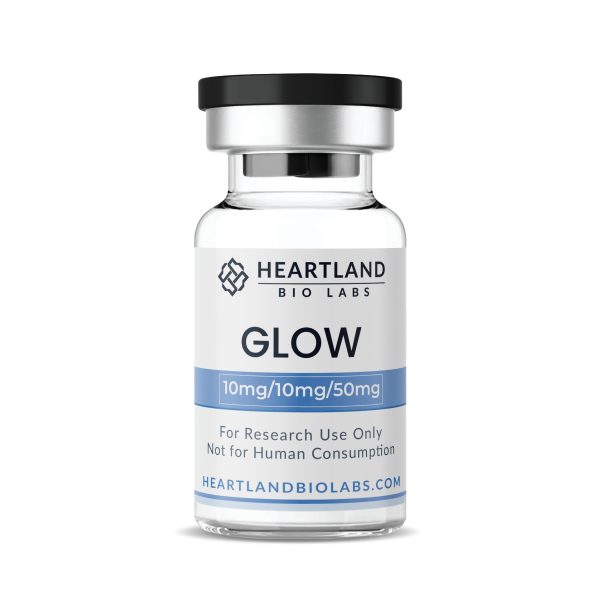
GLOW is the three component core of the blended side of the catalog, and the most searched blend name after KLOW. Most pages ranking for the term treat it as a buzzword. This article treats it as a formulation: what GLOW actually contains by mass, what each component is, how to confirm the vial matches the label, and where it sits between the simpler and more complex combinations.
Composition by Mass
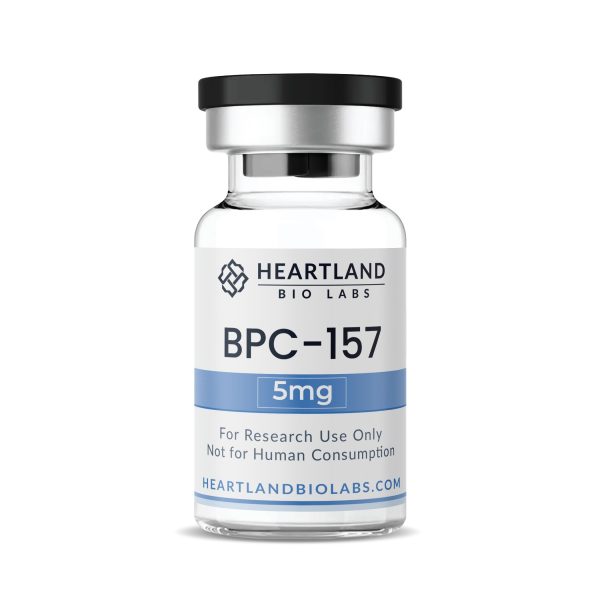
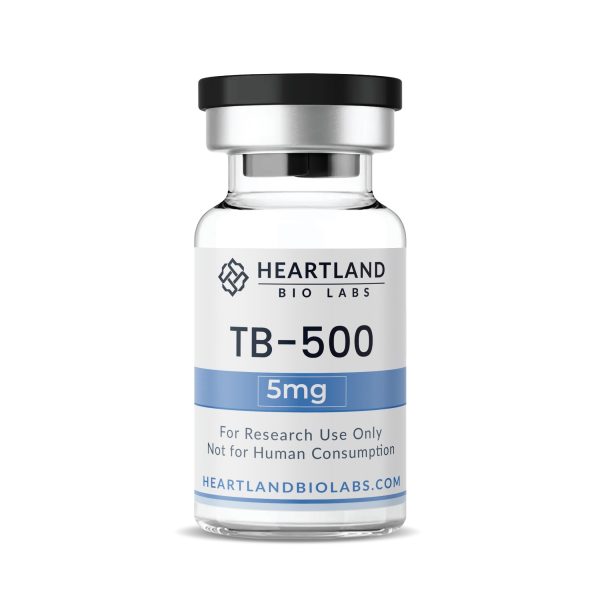
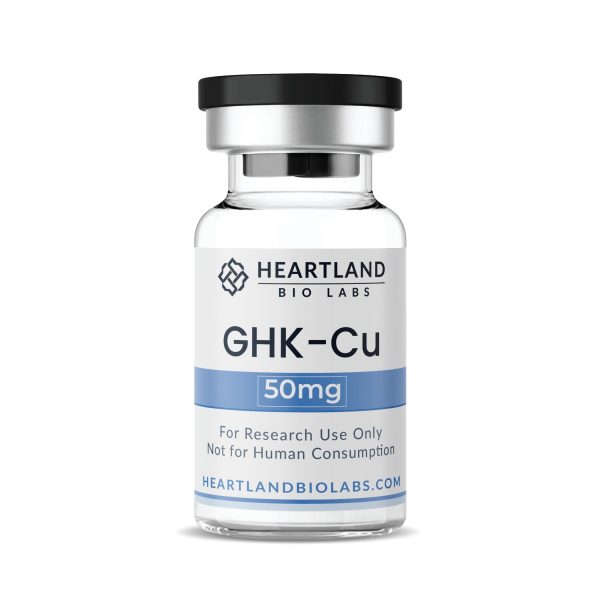
GLOW combines three peptides totaling 70 mg of material per vial:
Nearly three quarters of GLOW is GHK-Cu by mass. That single fact should reframe how the blend is evaluated: GHK-Cu quality dominates the vial, and BPC-157 and TB-500 ride along in equal 10 mg amounts. It also explains the color: at 50 mg, the copper complex is the main ingredient rather than a trace additive, so a properly made vial reconstitutes with a clear blue cast. Any assessment of a GLOW style product that never mentions GHK-Cu sourcing is skipping the main ingredient.
What Each Component Is
The three peptides come from three different research traditions. BPC-157 is a synthetic pentadecapeptide derived from a protective protein sequence first characterized in gastric juice, studied mainly in tissue models. TB-500 is a fragment based synthetic analogue of thymosin beta-4, an actin binding protein present in most cell types. GHK-Cu is a naturally occurring copper binding tripeptide complex. Our BPC-157 vs TB-500 comparison covers how researchers distinguish the two 10 mg components.
The Color Check
GLOW carries a built in identity cue that single peptide vials lack. GHK-Cu is a copper complex with distinct spectral behavior, and its presence gives properly formulated material a visible blue cast on reconstitution. A GLOW vial with no trace of blue is a vial worth questioning before any other testing happens. Our article on why GHK-Cu turns blue explains the chemistry, and why the color is information rather than branding.
Verifying a Three Component Blend
A blend certificate that reports one number for the whole vial averages away exactly what a researcher needs to know. A meaningful certificate for GLOW identifies and quantifies each of the three components separately: identity confirmation for all three, a purity value for each, and net peptide content tying the certificate to the label claim. Heartland Bio Labs publishes component level certificates from an independent analytical laboratory through the COA portal. Our guide to reading a certificate of analysis for peptides explains each field on those documents.
GLOW vs the Two Component Core
Strip GHK-Cu out of GLOW and what remains is the BPC-157 and TB-500 pairing, the most established two component combination in this space. GLOW is that core plus a copper tripeptide, which is why researchers already working with the pair often evaluate GLOW next: it changes one variable rather than several.
GLOW vs KLOW
Step up once more and you reach KLOW, which keeps the GLOW trio and adds 10 mg of KPV, an alpha-MSH fragment studied at melanocortin receptors. The two blends form a ladder: two components, three, then four, with each step adding an analytical burden along with a compound. Our KLOW overview covers the four component version and why component level verification matters most at the top of the ladder.
Research Use Only
GLOW and all compounds discussed here are supplied strictly for laboratory research by qualified professionals. They are not for human or veterinary use of any kind. Nothing in this article is a protocol, a recommendation, or a claim of therapeutic effect.
Research compounds in this article
For research use only. Not for human consumption. Every product ships with a published certificate of analysis.