
Spend any time in research forums and the phrase “wolverine peptide stack” appears sooner or later. It is not a product name and it is not a scientific term. It is community shorthand, borrowed from a comic book character famous for healing, for the pairing of two peptides: BPC-157 and TB-500. This article explains where the nickname came from, what the two compounds actually are, and what the research literature does and does not cover.
Where the nickname comes from
The name spread through fitness and biohacking forums in the mid-2010s, where the BPC-157 and TB-500 combination acquired a reputation and needed a memorable label. The comic reference did the work: a character defined by rapid tissue repair, applied to two peptides studied in preclinical injury models. As branding, it is effective. As science communication, it is misleading, because a nickname built on a fictional superpower implies outcomes that no controlled human data supports. Both compounds remain research chemicals with no approved human use.
The two compounds behind the name
BPC-157 is a synthetic pentadecapeptide, fifteen amino acids, derived from a protective protein sequence found in human gastric juice. It is unusually stable for a peptide and has been studied in animal models involving tendon, ligament, muscle, and gastrointestinal tissue. TB-500 is a synthetic fragment of thymosin beta-4, a 43-amino-acid protein present in nearly all human and animal cells, where it binds actin, a structural protein central to cell movement and repair. The two are chemically unrelated and act through different mechanisms, which is exactly why researchers became interested in studying them side by side. Our BPC-157 vs TB-500 comparison covers the differences in depth.
Why the pairing is studied together
The research interest in the combination rests on complementarity. BPC-157 has been characterized in the literature as acting locally in injury models, with particular attention to angiogenesis and the gut-derived protective pathways it was isolated from. Thymosin beta-4 and its fragments have been characterized as acting through actin regulation, a mechanism that operates in essentially every cell type. Two distinct mechanisms studied in overlapping injury models is a natural experimental pairing, and that, not any comic book, is the substantive reason the two names travel together.
What the nickname gets wrong
Every claim embedded in the nickname deserves scrutiny. The preclinical literature on both compounds is real and worth reading, but it is animal-model literature: rodent tendon transection studies, corneal injury models, cell-culture work. Neither compound has completed the human clinical trials that separate a research compound from a medicine, and no regulatory authority has approved either for any therapeutic use. A researcher reading forum claims should treat the nickname as a signpost to the primary literature, not as a summary of it. Everything sold on this site is supplied strictly for laboratory research use.
Single vials versus a combined blend
Laboratories studying the pairing face a practical choice: source each peptide separately, or use a combined vial. Separate vials of BPC-157 and TB-500 allow independent concentrations and independent verification of each compound. A combined BPC-157 + TB-500 blend fixes the ratio by mass in a single lyophilized vial, which simplifies handling when the experimental design calls for both. Larger multi-component blends such as GLOW add GHK-Cu to the same base pair. The right choice depends entirely on whether the research design needs the components verified and varied independently.
Verifying what is actually in the vial
A nickname is also a marketing vector, and compounds with strong forum reputations attract low-quality sellers. The verification standard does not change: every compound should come with an independent certificate of analysis showing identity confirmation by mass spectrometry, a chromatographic purity figure, and net peptide content. For a two-compound blend, component-level data matters, since a single purity number cannot tell you the ratio is right. Our guides to reading a certificate of analysis and vetting a research peptide supplier cover the specifics.
The bottom line for researchers
The wolverine peptide stack is a memorable name for a legitimate research pairing wrapped in an illegitimate implication. BPC-157 and TB-500 are two mechanistically distinct peptides with substantial preclinical literatures, available as single compounds or a fixed-ratio blend, and best approached with the same verification discipline as any research material. The nickname will keep circulating; the primary literature is where the real information lives.
Heartland Bio Labs supplies peptides strictly for in-vitro laboratory research. Nothing in this article is guidance for human or veterinary use of any compound.
Research compounds in this article
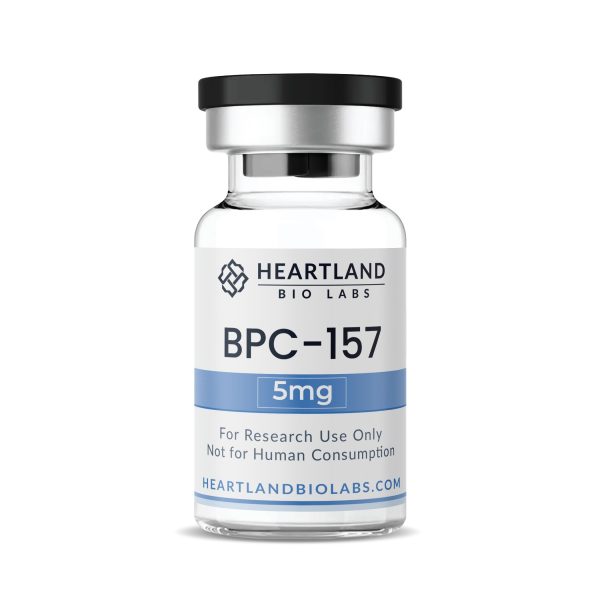
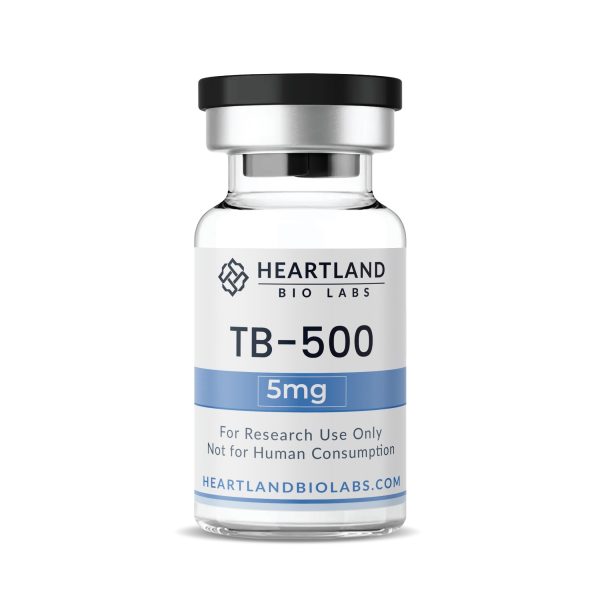
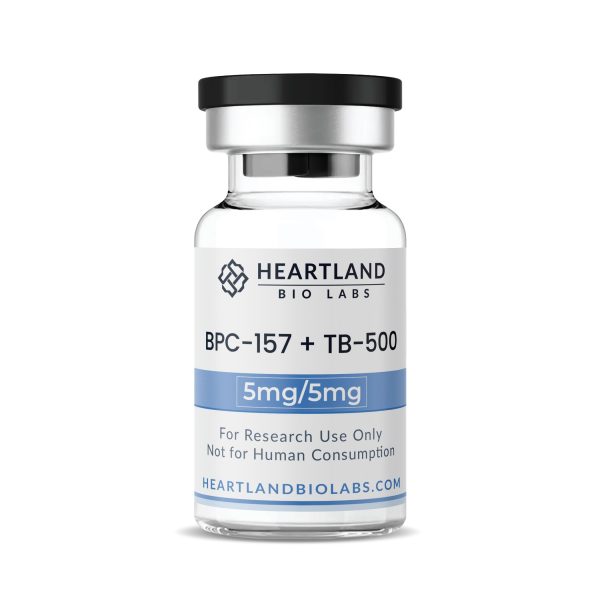
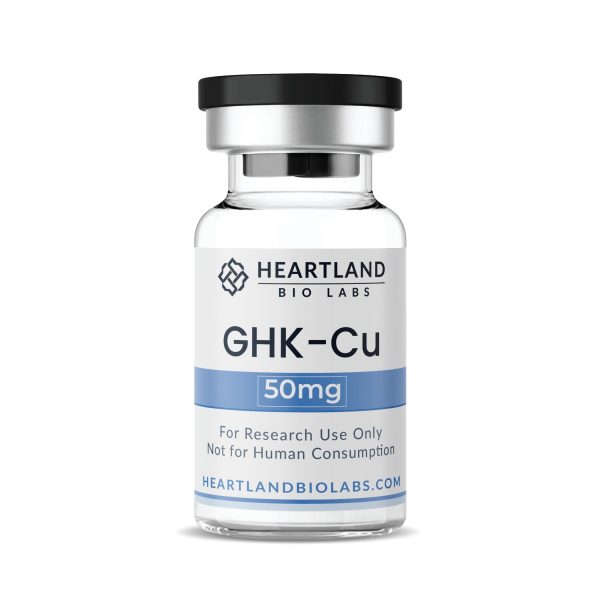
For research use only. Not for human consumption. Every product ships with a published certificate of analysis.