
BPC-157 Reconstitution Calculator
BPC-157 is a 15-amino-acid synthetic peptide, supplied as a lyophilized powder in 2, 5 and 10 mg vials. At only 1,419.5 g/mol it gives about three times the molar concentration of a GLP-1 analog at the same mg/mL, and the calculator reports that figure next to the mass-based results. Enter the vial size and the volume of bacteriostatic water added to get the concentration, the amount in any measured volume, and how many aliquots a vial yields. For other compounds, use the general peptide calculator.
BPC-157 calculator
This tool does solution-concentration arithmetic for laboratory preparation records. It does not provide dosage guidance. BPC-157 is sold for research use only. It is not for human consumption, self-administration or therapeutic use.
BPC-157 vial concentration table
Worked math for each BPC-157 vial size in the catalog (2 mg, 5 mg, 10 mg) with 1, 2 and 3 mL of diluent. The figures come straight from concentration = mass ÷ volume. They are reference arithmetic, not a recommended preparation.
| Vial | Diluent | Concentration | Per 0.1 mL | Molarity | |
|---|---|---|---|---|---|
| BPC-157 2 mg | 1 mL | 2 mg/mL | 200 mcg | 1.41 mM | Load ↑ |
| BPC-157 2 mg | 2 mL | 1 mg/mL | 100 mcg | 704 µM | Load ↑ |
| BPC-157 2 mg | 3 mL | 0.667 mg/mL | 66.7 mcg | 470 µM | Load ↑ |
| BPC-157 5 mg | 1 mL | 5 mg/mL | 500 mcg | 3.52 mM | Load ↑ |
| BPC-157 5 mg | 2 mL | 2.5 mg/mL | 250 mcg | 1.76 mM | Load ↑ |
| BPC-157 5 mg | 3 mL | 1.667 mg/mL | 166.7 mcg | 1.17 mM | Load ↑ |
| BPC-157 10 mg | 1 mL | 10 mg/mL | 1,000 mcg | 7.04 mM | Load ↑ |
| BPC-157 10 mg | 2 mL | 5 mg/mL | 500 mcg | 3.52 mM | Load ↑ |
| BPC-157 10 mg | 3 mL | 3.333 mg/mL | 333.3 mcg | 2.35 mM | Load ↑ |
BPC-157 compound data used in the math
| Compound class | Synthetic 15-amino-acid peptide (GEPPPGKPADDAGLV) |
|---|---|
| Molecular weight | 1,419.5 g/mol |
| Molecular formula | C62H98N16O22 |
| CAS number | 137525-51-0 |
| Appearance | White to off-white lyophilized powder; clear, colorless solution |
| Storage | Lyophilized: −20 °C, desiccated, protected from light. Reconstituted: aliquot and hold at −20 °C or below. |
| Vial sizes | 2 mg, 5 mg, 10 mg |
Molar concentration (mM) = concentration (mg/mL) ÷ molecular weight (g/mol) × 1000. Every product ships with a certificate of analysis. See the BPC-157 product page or the COA portal.
BPC-157 reconstitution handling notes
- BPC-157 is a small, unmodified linear peptide that dissolves readily in bacteriostatic water. Swirl gently rather than shaking.
- For multi-week work, the reconstituted solution can be divided into single-use aliquots and frozen, so the stock vial is not freeze-thawed repeatedly. The “aliquots per vial” figure above shows how many portions a vial gives.
- Because of the low molecular weight, 1 mg/mL of BPC-157 is about 0.70 mM, compared with roughly 0.24 mM for a 4,100 g/mol peptide. Keep this in mind when comparing preparations across compounds.
For the full bench procedure, including materials, technique, blend vials and storage before and after, see how to reconstitute peptides.
How to reconstitute BPC-157
The worked example uses a 5 mg BPC-157 vial and 2 mL of bacteriostatic water. The same steps apply to any vial size or volume; only the resulting concentration changes.
- Equilibrate and sanitize. Let the BPC-157 vial and the bacteriostatic water reach room temperature, then wipe both rubber stoppers with an alcohol swab.
- Draw the diluent. With a sterile syringe, withdraw 2 mL of bacteriostatic water.
- Add it slowly down the wall. Insert the needle through the BPC-157 vial’s stopper and let the water run down the inside of the glass, not directly onto the powder.
- Swirl, don’t shake. Rotate the vial gently until the solution is completely clear and colorless. Cloudiness or particles after gentle mixing are a reason to check the lot’s certificate of analysis.
- Label and store. Write the concentration on the vial: 5 mg ÷ 2 mL = 2.5 mg/mL (1.76 mM), plus the date and lot number. Storage: Lyophilized: −20 °C, desiccated, protected from light. Reconstituted: aliquot and hold at −20 °C or below.
BPC-157 reconstitution FAQ
What concentration does a 2 mg BPC-157 vial make with 2 mL of bacteriostatic water?
2 mg divided by 2 mL is 1 mg/mL, which is 100 mcg in every 0.1 mL. Using BPC-157’s molecular weight of 1,419.5 g/mol, that is a molar concentration of 704 µM.
How much BPC-157 is in 0.1 mL after reconstitution?
It depends entirely on the concentration prepared. For example, a 5 mg vial reconstituted with 2 mL gives 2.5 mg/mL, so 0.1 mL contains 250 mcg. The same vial reconstituted with 1 mL would give twice that per 0.1 mL.
Does adding more bacteriostatic water change how much BPC-157 is in the vial?
No. The diluent volume only sets the concentration. The total BPC-157 in the vial is the same whatever volume is added. More diluent spreads it across a larger volume, so any given amount takes up more mL and is easier to measure accurately.
How should reconstituted BPC-157 be stored?
Lyophilized: -20 °C, desiccated, protected from light. Reconstituted: aliquot and hold at -20 °C or below. Label the vial with the compound, lot number, date and the concentration calculated here.
BPC-157 and related research compounds
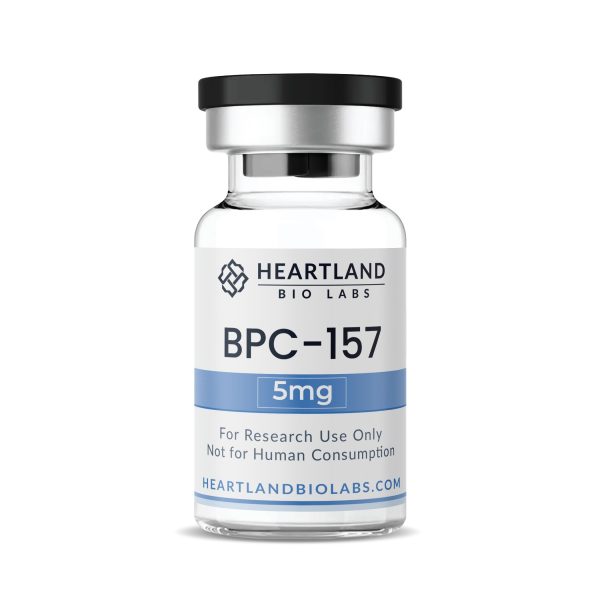
Every product ships with a published certificate of analysis.
Other compound calculators
Semaglutide calculator · Tirzepatide calculator · Retatrutide calculator · TB-500 calculator · GHK-Cu calculator · General peptide calculator
For research use only. Not for human consumption, self-administration, or therapeutic use. Not evaluated or approved by the FDA. Research Use Policy.