
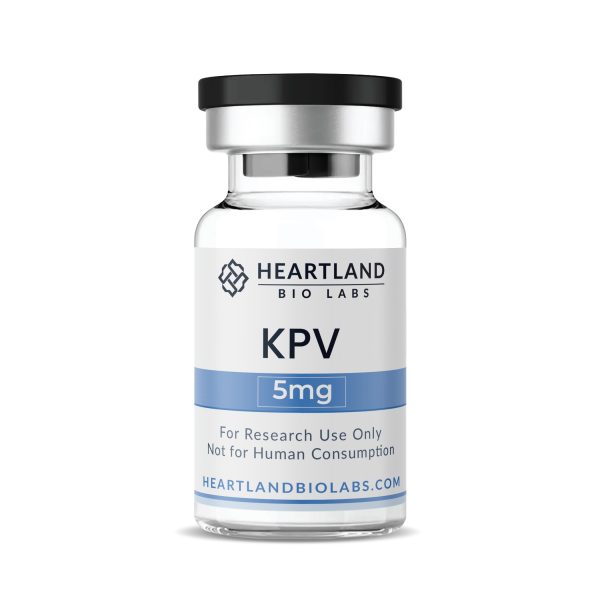
KPV is the smallest peptide in the catalog and one of the most searched, a combination that produces an unusual amount of confusion. Three amino acids, a direct lineage from a major signaling hormone, and a starring role in the KLOW blend make KPV worth understanding precisely rather than by reputation. This overview covers what the tripeptide is, where it comes from, how such a small molecule is verified, and how it fits into blended formulations.
What KPV Is
KPV is the C terminal tripeptide of alpha melanocyte stimulating hormone: lysine, proline, valine, the final three residues of the parent hormone. Researchers isolated this fragment because activity studies of alpha-MSH kept pointing at the C terminal end of the molecule. The result is a tool compound that carries a fragment of the parent signaling behavior in a package of three residues, studied mainly in models of epithelial and barrier tissue biology.
The Melanocortin Family Connection
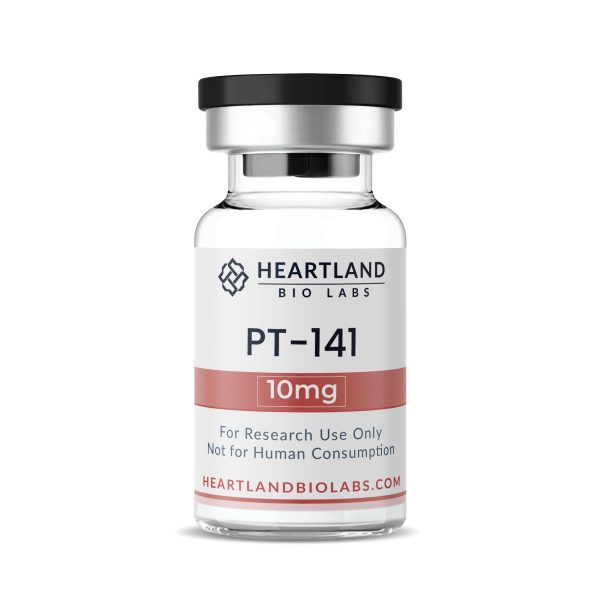
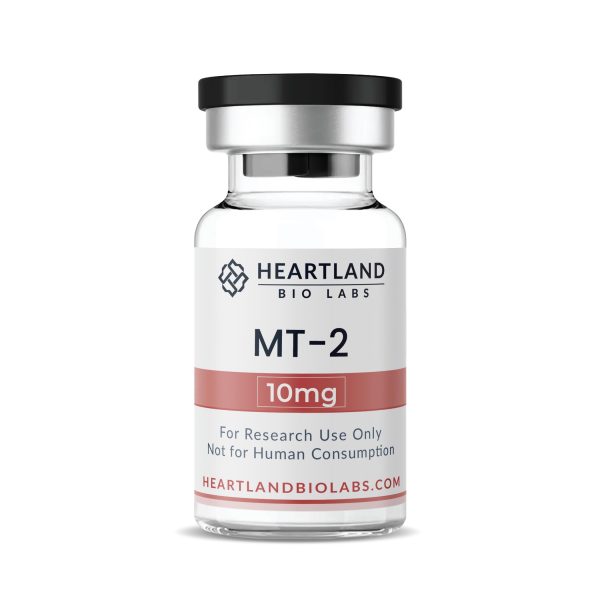
Alpha-MSH sits at the center of a family of research peptides that appear throughout this catalog. Melanotan 2 is a cyclized synthetic analogue of the same parent hormone, and PT-141 descends from Melanotan 2 in turn; our Melanotan 2 vs PT-141 comparison maps that branch of the family. KPV is a different kind of descendant: not a redesigned analogue but a literal fragment, which is why it behaves so differently from its cyclized cousins in research settings.
Verifying a Three Residue Peptide
Small size changes the analytical problem. A tripeptide has a low molecular weight, so mass spectrometry identifies it cleanly, but there is less sequence to distinguish it from synthesis byproducts, and simple HPLC methods tuned for large peptides can handle small ones poorly. A credible certificate for KPV therefore shows both an identity confirmation and a purity measurement performed with methods appropriate to the molecule. Certificates for our material are published through the COA portal, and our guide to reading a certificate of analysis for peptides explains what each field means.
KPV in Blended Formulations
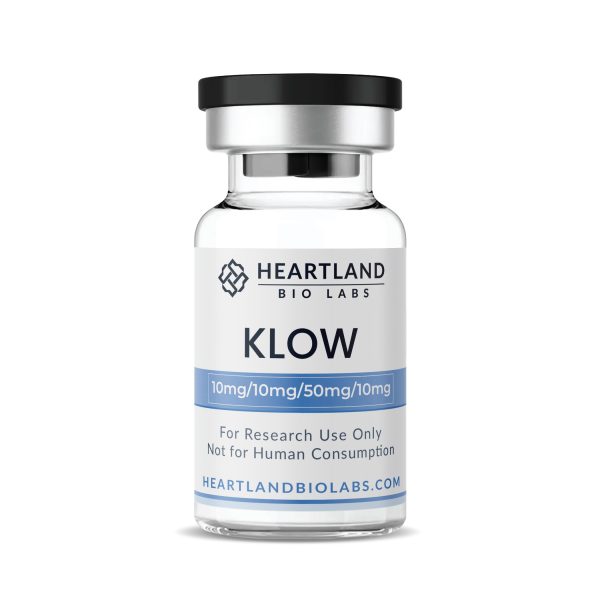
KPV is the K in KLOW, where 10 mg of the tripeptide joins GHK-Cu, BPC-157, and TB-500 in the four component blend. That role raises the verification stakes: in a blend, KPV is a minor component by mass, and only component level analysis can confirm it is present at all. Our KLOW overview covers why a blend certificate must identify and quantify each component separately, with KPV as the clearest example of an ingredient that a whole vial average would simply hide.
Where KPV Fits in the Catalog
KPV appears both as a standalone compound and within the dermal research category alongside GHK-Cu and the blends. Researchers working with barrier tissue models typically evaluate it as a single compound first, then move to blended formats once the single compound baseline is established, the same singles first logic that applies across the blended side of the catalog.
Research Use Only
KPV is supplied strictly for laboratory research by qualified professionals. It is not for human or veterinary use of any kind. Nothing in this overview is a protocol, a recommendation, or a claim of therapeutic effect.
Research compounds in this article
For research use only. Not for human consumption. Every product ships with a published certificate of analysis.