
Semaglutide is the reference point of the incretin research series: the single receptor compound against which the dual and triple receptor designs are compared. This overview covers what semaglutide is structurally, the engineering that distinguishes it from the natural hormone it is based on, how the molecule behaves in storage and handling, and what verification looks like for a lipidated peptide.
What Semaglutide Is
Semaglutide is a synthetic analogue of GLP-1, glucagon like peptide 1, a 31 residue backbone based on the GLP-1(7-37) sequence with three deliberate changes. An aminoisobutyric acid substitution at position 8 protects the molecule from rapid enzymatic cleavage, a C18 fatty diacid is attached through a spacer to the lysine at position 26 to promote albumin binding, and a second substitution prevents the fatty acid from attaching at the wrong site. Each change answers a specific weakness of the natural hormone, which survives only minutes in experimental systems.
The Single Receptor Reference Point
Semaglutide engages one receptor, the GLP-1 receptor. That makes it the baseline of the receptor count ladder that organizes the metabolic research peptides category: one receptor here, two for tirzepatide, three for retatrutide, and cagrilintide standing apart as the non incretin amylin analogue. Comparative receptor studies need a clean single receptor anchor, and semaglutide is that anchor, which is why it remains heavily studied even as newer multi receptor designs draw attention.
Stability and Handling
Lyophilized semaglutide stores well cold, dry, and protected from light. The fatty diacid modification makes reconstituted material amphiphilic and therefore prone to aggregation at interfaces, the same behavior seen across the lipidated peptide class: gentle swirling rather than shaking, minimal freeze thaw cycling, and refrigerated storage of solutions are the standard practices in the analytical literature.
Quality Verification
A modified peptide gives synthesis more ways to fail than an unmodified one: truncated backbone sequences, missing or misplaced fatty acid conjugation, oxidation. Verification therefore rests on mass spectrometry to confirm the intact conjugated molecule and HPLC to quantify purity, with net peptide content linking the certificate to the vial label. Certificates for our material are published through the COA portal, and our guide to reading a certificate of analysis for peptides explains every field, including why purity and net peptide content are different numbers.
Research Use Only
Semaglutide is supplied strictly for laboratory research by qualified professionals. It is not for human or veterinary use of any kind. Nothing in this overview is a protocol, a recommendation, or a claim of therapeutic effect.
Research compounds in this article
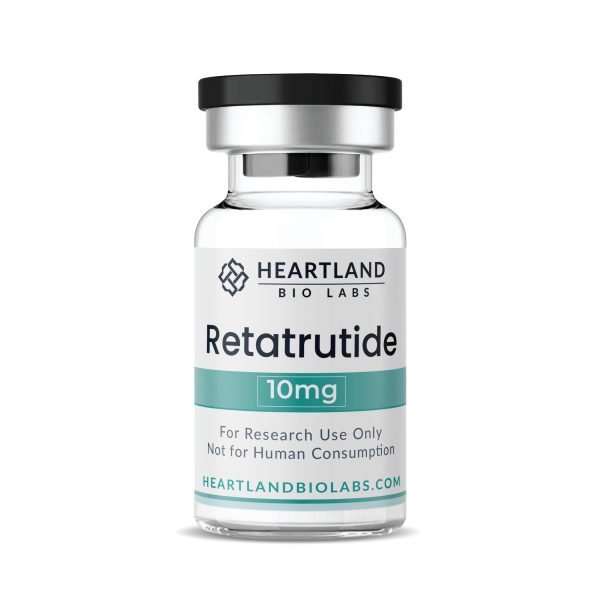
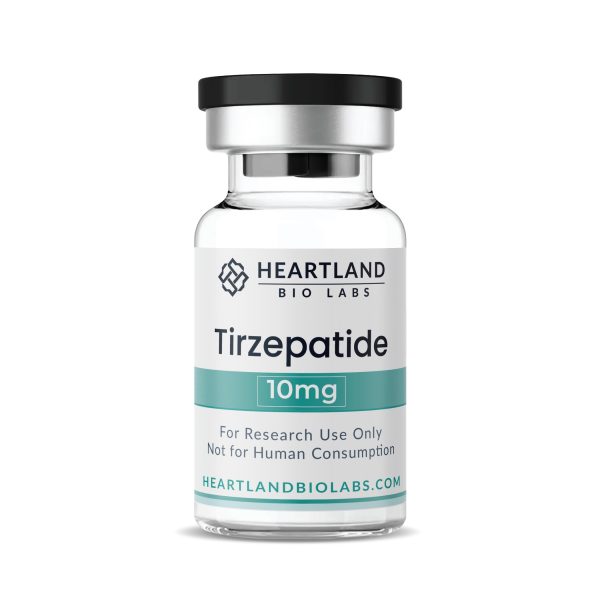
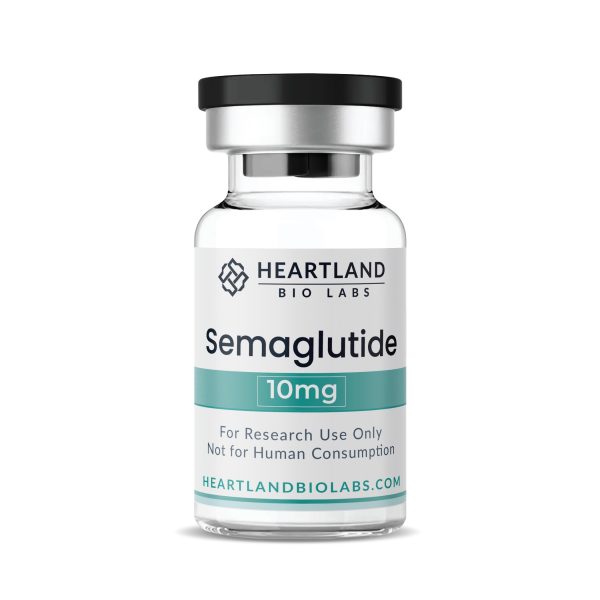
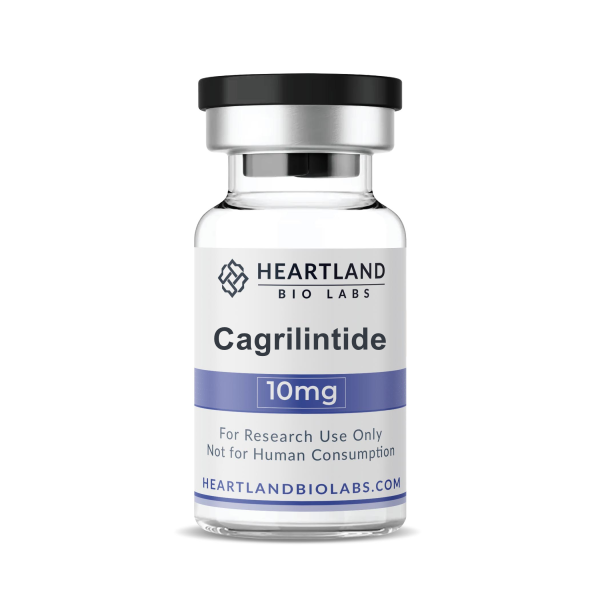
For research use only. Not for human consumption. Every product ships with a published certificate of analysis.