
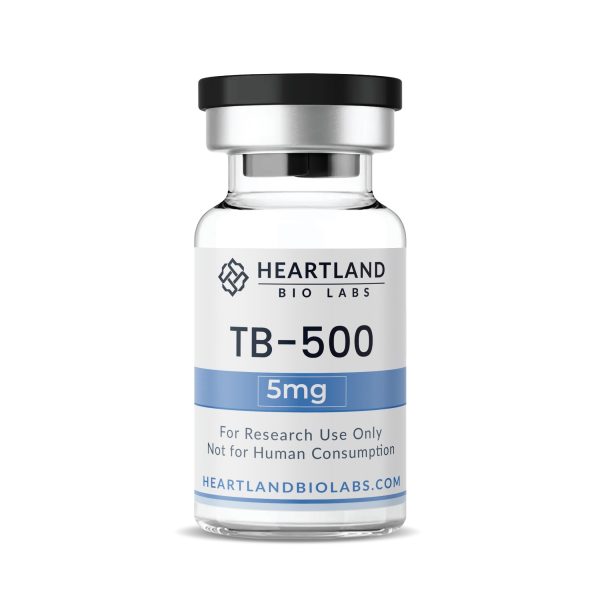
TB-500 anchors more of this catalog than any other single compound: it is the majority ingredient of both GLOW and KLOW by mass and one half of the most established peptide pairing in research settings. This overview covers what TB-500 actually is, how it relates to the natural protein it comes from, what stability looks like in practice, and how quality is verified for a peptide this central.
What TB-500 Is
TB-500 is a synthetic peptide based on thymosin beta-4, a 43 residue actin binding protein found in nearly every cell type. The research grade material sold as TB-500 is built around the actin binding domain of the parent protein, the short segment responsible for the interaction that made thymosin beta-4 interesting in the first place. That distinction matters when reading suppliers: some material sold under the name is the fragment, some is full length thymosin beta-4, and a certificate showing the molecular weight is the only way to know which is in the vial.
The Actin Connection
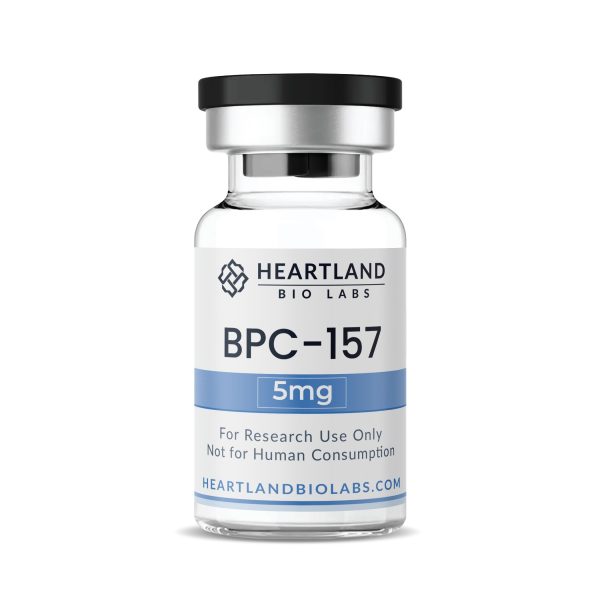
Actin is the most abundant protein in most cells, the building block of the cytoskeleton. Thymosin beta-4 binds monomeric actin and holds it in reserve, which places the protein and its fragments at the center of research on cell structure, movement, and tissue models. This is why TB-500 appears in study designs alongside BPC-157, a peptide from an entirely different origin studied in overlapping tissue models; our BPC-157 vs TB-500 comparison covers how researchers distinguish the two, and the pairing itself is common enough to have earned the nickname covered in our wolverine peptide stack guide.
Stability and Handling
Lyophilized TB-500 is a stable, forgiving material when stored cold and dry. The sequence contains no cysteine, which removes the disulfide scrambling problem that complicates some peptides, though like most peptides it prefers minimal freeze thaw cycling and protection from light once in solution. Reconstituted material with bacteriostatic water follows the same cold storage logic as the rest of the catalog.
Quality Verification
Verification for TB-500 answers two questions. Mass spectrometry establishes which molecule is present, settling the fragment versus full length question definitively. HPLC then quantifies purity against synthesis byproducts. Certificates for our material are published through the COA portal, and our guide to reading a certificate of analysis for peptides explains each field, including net peptide content, the number that connects a certificate to what is physically in the vial.
TB-500 Inside the Blends
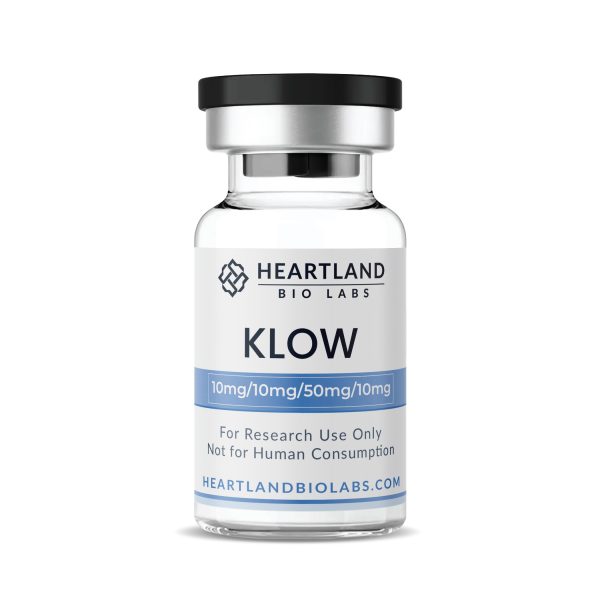
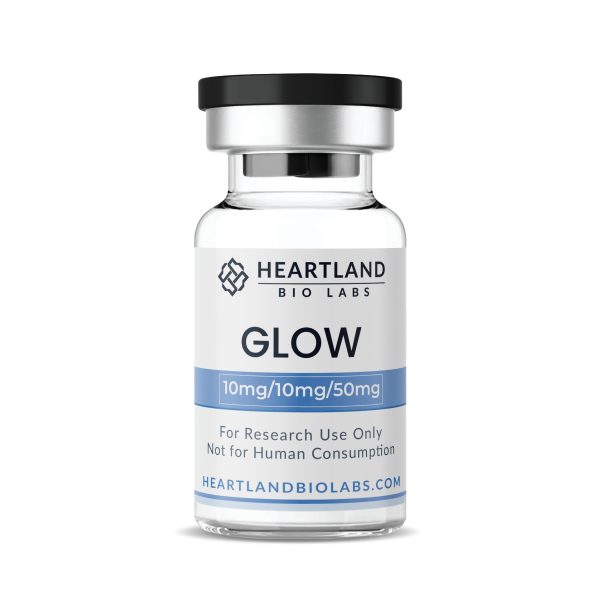
TB-500 is one of the two 10 mg components in both GLOW and KLOW, which works out to 14.3 percent of GLOW and 12.5 percent of KLOW by mass. GHK-Cu, at 50 mg, is the majority ingredient in both. A minor share by mass is still a full research quantity, though, and a blend certificate that reports only a combined figure tells you nothing about whether that 10 mg of TB-500 is actually there. That is why the blend overviews on this site keep returning to component level certificates. For the two compound version, the combined BPC-157 and TB-500 vial pairs it with its most common research partner.
Research Use Only
TB-500 is supplied strictly for laboratory research by qualified professionals. It is not for human or veterinary use of any kind. Nothing in this overview is a protocol, a recommendation, or a claim of therapeutic effect.
Research compounds in this article
For research use only. Not for human consumption. Every product ships with a published certificate of analysis.