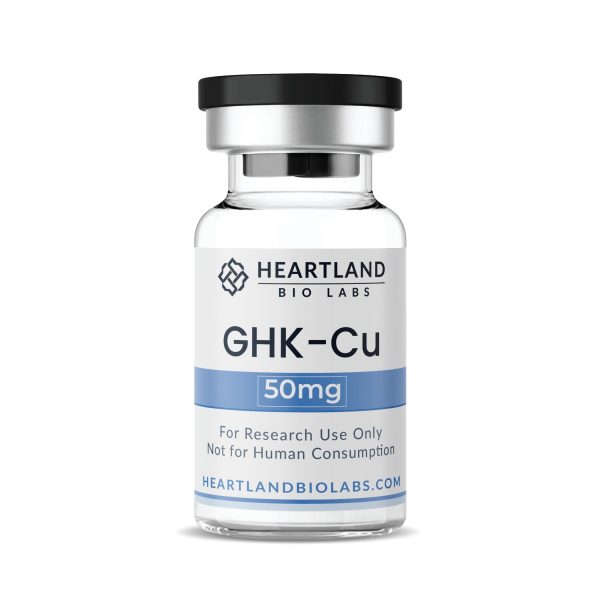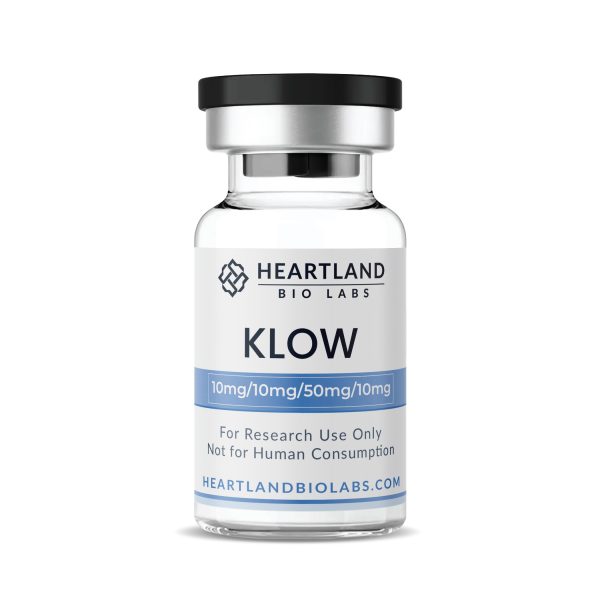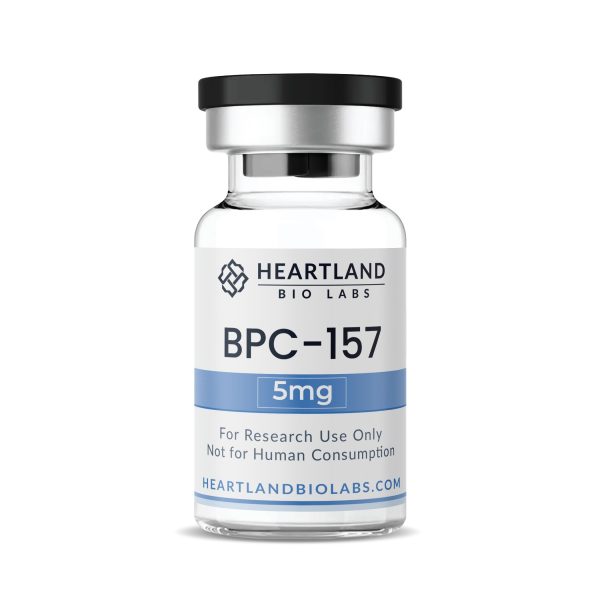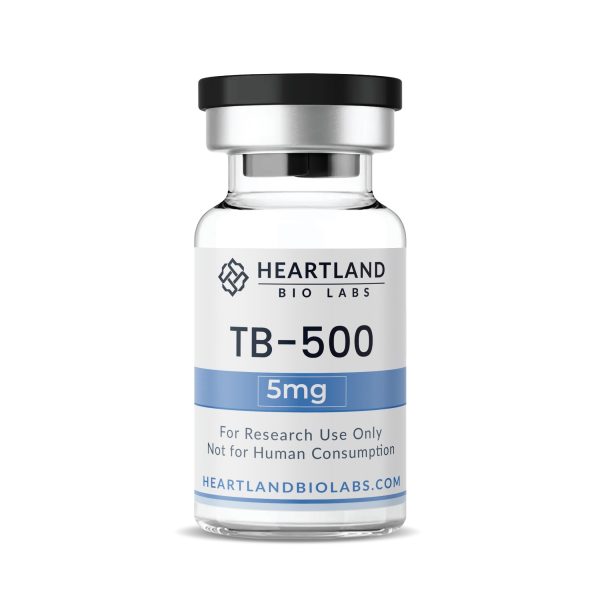
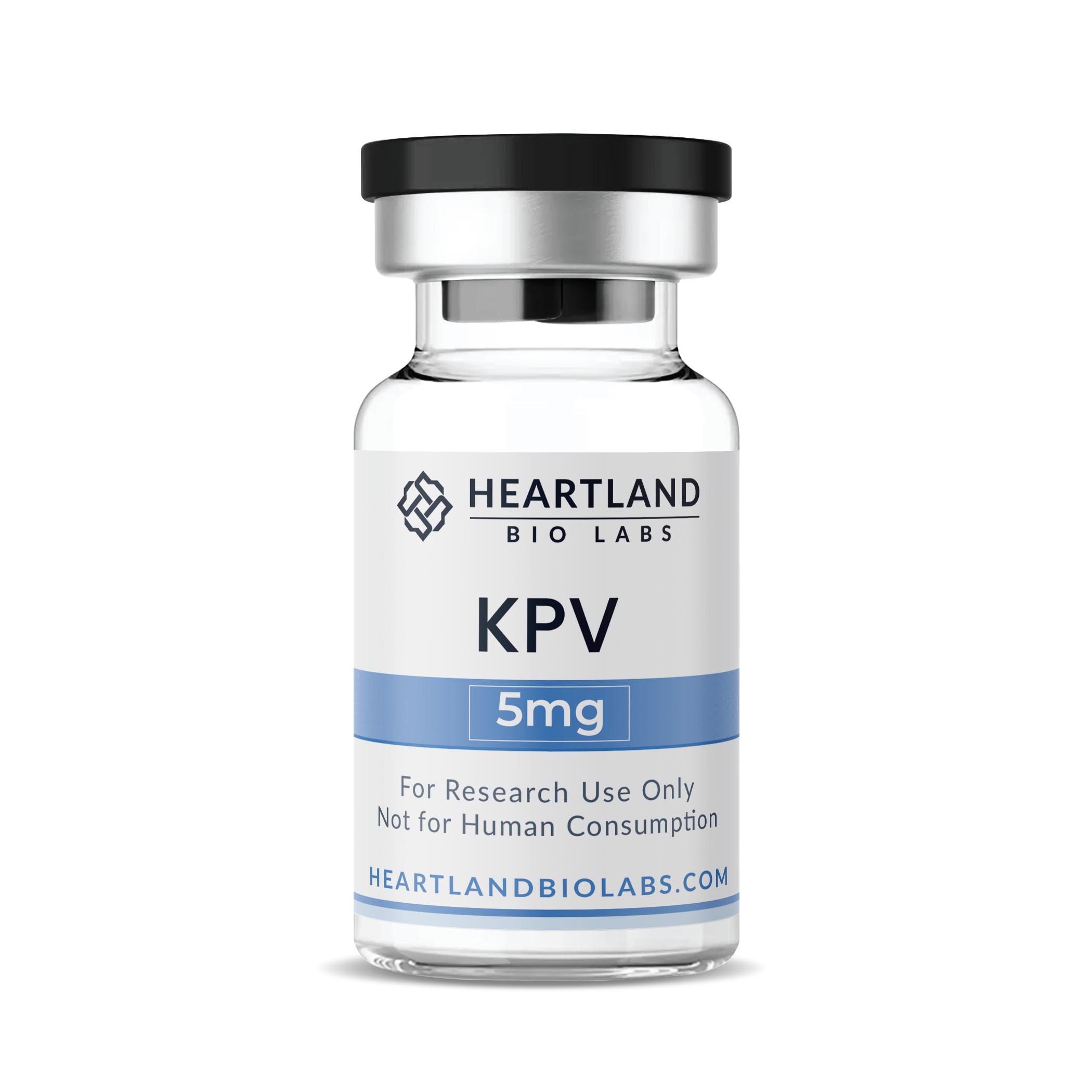
KPV is a synthetic tripeptide made of three amino acids: lysine, proline, and valine. It is the C-terminal fragment of alpha-melanocyte-stimulating hormone (alpha-MSH), and despite being one of the smallest peptides in serious research use, it has drawn sustained scientific attention in inflammation-signaling research. Heartland Bio Labs supplies KPV for laboratory research as a lyophilized compound with independent purity and identity testing.
What is the KPV peptide?
Alpha-MSH is a naturally occurring 13-amino acid hormone; KPV is its final three residues, Lys-Pro-Val. Researchers isolated this fragment because much of the parent molecule's activity of interest in preclinical inflammation models appeared to map to the C-terminal end, and a three-residue peptide is far simpler to synthesize, characterize, and study than the full hormone. At roughly 342 daltons, KPV sits closer to a small molecule than to most research peptides, which shapes how it behaves in solution and how it is analyzed. A deeper profile is in our KPV research overview.
Research context
KPV appears in preclinical research examining inflammatory signaling pathways, including studies in cellular and animal models of gut and skin inflammation. As with every compound we sell, that is a description of where the research literature has focused, not a claim about outcomes: KPV is a research tool for laboratories studying those pathways, and nothing on this page is a statement of therapeutic effect. Our research overview covers the structural and stability characteristics relevant to study design.
Specifications
- Sequence: Lys-Pro-Val (L-lysyl-L-prolyl-L-valine)
- Molecular weight: approximately 342.4 g/mol
- Origin: C-terminal tripeptide fragment of alpha-MSH
- Form: white lyophilized powder, sealed vial
- Verification: HPLC purity and mass spectrometry identity, tested by an independent laboratory
- For laboratory research use only
Verifying a tripeptide is its own challenge
Small peptides cut both ways analytically. Synthesis is simpler, so high purity is very achievable, and a supplier has little excuse for a weak certificate. But identity confirmation matters more, not less: a three-residue peptide gives HPLC less to distinguish, so a clean chromatogram alone says little about whether the peak is actually KPV. Mass spectrometry, which confirms the molecular weight, is what closes that gap. Our article on HPLC vs mass spectrometry explains why you should never accept a purity number without an identity test beside it. Heartland's published certificates are available in the COA portal.
KPV on its own vs KPV in a blend
Laboratories study KPV two ways. On its own, this vial, for work isolating the melanocortin-derived signaling pathway. Or alongside BPC-157, TB-500, and GHK-Cu in our four-compound KLOW blend, for programs studying inflammation signaling in combination with cytoprotective and copper-dependent pathways. Pairings of BPC-157 with KPV are also common in the literature on gut-inflammation models, and both compounds are available here as singles for programs that need to control ratios themselves.
Pricing and availability
KPV is stocked in 5mg vials at $39, in stock and shipping same-day from the Tulsa, Oklahoma area for orders placed before 2:00 PM Central. A 10mg vial appears on the selector with a notify option when it is not in stock. Volume needs run through our wholesale program.
Storage and handling
Lyophilized KPV is a stable compound when kept sealed, cool, dry, and away from light; refrigeration is recommended for longer storage. Reconstitute with bacteriostatic water and refrigerate the solution, using it within the window defined by your research protocol.
Where to buy the KPV peptide
Most pages ranking for KPV are wellness clinics describing therapy programs, which is no help if what you need is verified research material. Buying KPV comes down to the same checks as any research peptide, with extra weight on identity testing given the molecule's size: exact stated contents, an independent lab behind the numbers, and a certificate you can read before you pay. Our guide on how to vet a research peptide supplier applies those checks step by step; we invite you to run Heartland through it.
Reconstitution math
Work out concentration (mg/mL), amount per volume and molarity for any vial size with the general peptide calculator. For the bench procedure see how to reconstitute peptides.
Research use only
KPV from Heartland Bio Labs is sold strictly for laboratory research and identification purposes. It is not a drug, it has not been evaluated by the FDA, and it is not for human or veterinary use of any kind. By purchasing, you affirm that you are qualified to handle research compounds and agree to our research use policy.