
KLOW is one of the most searched blend names in peptide research, and one of the least explained. Most pages that rank for the term describe outcomes and skip the chemistry entirely. This article does the opposite. It covers what KLOW contains, component by component and milligram by milligram, and then asks the question that separates serious suppliers from everyone else: can the vendor show you a certificate for each component inside the vial?
Composition by Mass
KLOW is a four component blend totaling 80 mg of peptide material per vial:
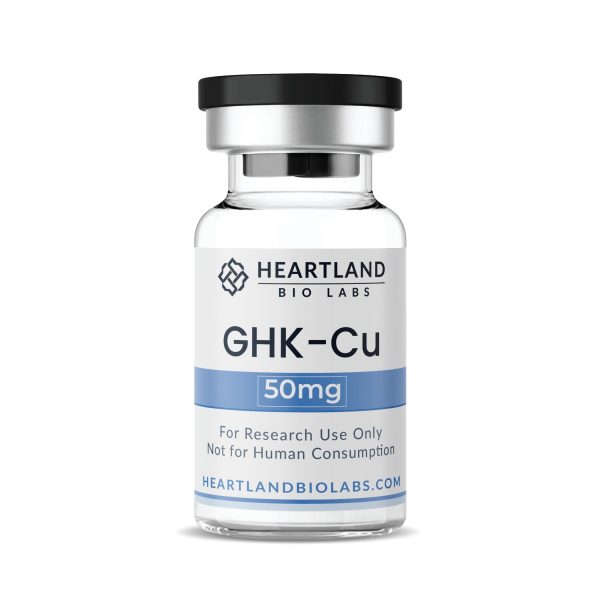
Two things follow directly from that table. First, KLOW is mostly GHK-Cu by mass; anyone evaluating the blend is primarily evaluating GHK-Cu quality, which is also why a correctly made vial reconstitutes with a visible blue cast. Second, the three minor components are present in equal amounts, so a verification method that cannot resolve individual components will tell you almost nothing about three quarters of the ingredient list.
KLOW vs GLOW: The KPV Difference
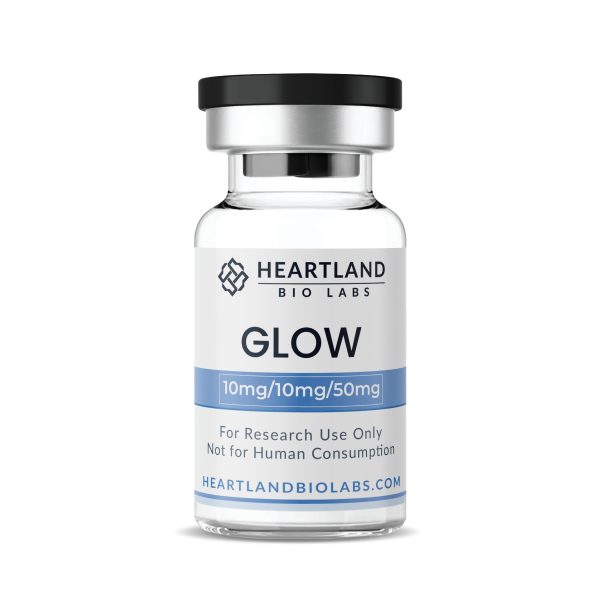
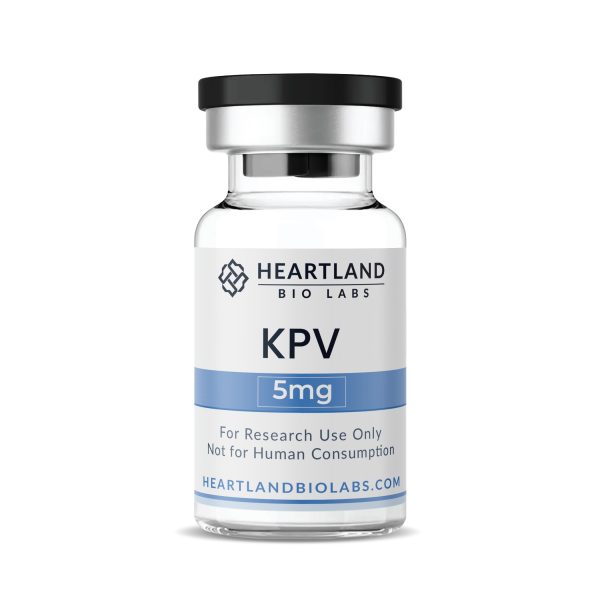
KLOW is GLOW plus one addition. GLOW combines 50 mg of GHK-Cu with 10 mg each of BPC-157 and TB-500. KLOW keeps that trio and adds 10 mg of KPV, the three amino acid fragment of alpha-MSH studied for its behavior at melanocortin receptors. The naming follows the ingredients: the K in KLOW is KPV. Researchers comparing the two blends are really asking one question, whether KPV belongs in the study design, and the KPV product page covers that compound in detail.
Why Blends Are Harder to Verify Than Single Peptides
A single peptide vial poses one analytical question: is this the stated compound at the stated purity? A four component blend poses at least eight, an identity question and a purity question for each component. Standard single compound testing does not automatically answer them. An HPLC trace of a blend shows multiple peaks, and without component level standards a vendor can only wave at the chromatogram. GHK-Cu adds a further wrinkle: it is a copper complex with distinct spectral behavior, which is also why it is the one visibly blue material in the catalog. Our article on why GHK-Cu turns blue explains that chemistry.
The practical consequence: a blend certificate that reports one purity number for the whole vial is not reporting purity at all. It is averaging away the very information a researcher needs.
The Component-Level COA Challenge
Here is a simple test to run on any supplier selling a KLOW style blend. Ask for the certificate of analysis, then check whether it lists each of the four components separately, with an identity confirmation and a purity value for each. Most cannot produce one, because component level analysis of a blend costs real money and requires a lab willing to run it.
Heartland Bio Labs publishes component level certificates for KLOW from an independent analytical laboratory, with each of the four peptides identified and quantified individually. The certificates are available through the COA portal, and the testing methods page describes the techniques used, generated from the certificates themselves so it only lists methods that actually appear on published documents.
How to Read a Blend Certificate
When a component level certificate is in front of you, three fields matter most. Identity confirmation per component establishes that all four peptides are present, not just the cheap ones. Purity per component tells you the quality of each ingredient rather than a blended average. Net peptide content connects the certificate to the label claim, since a vial can contain highly pure material and still be underfilled. Our guide to reading a certificate of analysis for peptides walks through each field, including the difference between purity and net peptide content, which trips up more buyers than any other pair of numbers.
Where KLOW Fits Among the Blends
The catalog carries three related combinations, and they answer different research questions. The BPC-157 and TB-500 pairing is the two component core, common enough to have earned a nickname of its own. GLOW adds GHK-Cu to that core. KLOW adds KPV on top of GLOW. Each step up adds an analytical burden along with a compound, which is exactly why component level verification matters more for KLOW than for anything else in the lineup.
Research Use Only
KLOW and all compounds discussed here are supplied strictly for laboratory research by qualified professionals. They are not for human or veterinary use of any kind. Nothing in this article is a protocol, a recommendation, or a claim of therapeutic effect.
For per-component concentrations after adding bacteriostatic water, see our KLOW reconstitution math.
Research compounds in this article
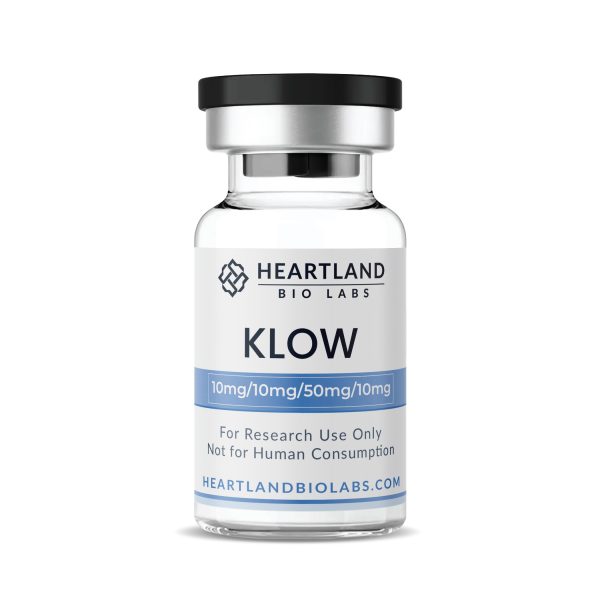
KLOW (BPC-157 + TB-500 + GHK-Cu + KPV Quad Blend)
COA • GHK-Cu 99.97% · BPC-157 99.98% · TB-500 98.99% · KPV 98.88% Purity
In stock · Ships today
For research use only. Not for human consumption. Every product ships with a published certificate of analysis.