
Peptide Calculator
Enter the peptide mass in the vial and the diluent volume added. The calculator reports the resulting concentration, the volume and U-100 syringe-unit measure of any aliquot, and how many aliquots a vial yields.
Calculator
This tool performs solution-concentration arithmetic for laboratory preparation records. It does not provide dosage guidance. All products are for research use only — not for human consumption, self-administration, or therapeutic use.
How lyophilized peptides are reconstituted
Research peptides ship as a lyophilized (freeze-dried) powder because the dry form is stable in transit and storage. Before use in the laboratory, the powder is returned to solution in a known volume of diluent — that step is reconstitution, and the standard bench procedure is:
- Equilibrate and sanitize. Allow the vial to reach room temperature. Wipe the stoppers of both the peptide vial and the diluent vial with an alcohol swab.
- Draw the diluent. Using a sterile syringe, withdraw the chosen volume of bacteriostatic water from its vial.
- Introduce it slowly. Insert the needle through the peptide vial's septum and direct the stream down the inside wall of the vial — not onto the powder. A direct jet can shear and denature the peptide.
- Swirl, never shake. Rotate the vial gently until the solution is completely clear. Cloudiness or particulates after gentle mixing indicate incomplete dissolution or degraded material.
- Label and store. Record the date, the compound, and the concentration this calculator reports, and store the vial refrigerated at 2–8 °C.
The arithmetic behind the tool is one line: concentration = peptide mass ÷ diluent volume. A 5 mg vial reconstituted with 2 mL of bacteriostatic water yields 2.5 mg/mL — every figure the calculator reports is derived from that ratio. For the full bench procedure — materials, technique, blend vials, and storage before and after — see the complete guide: how to reconstitute peptides.
Choosing the diluent volume
The volume of diluent does not change how much peptide is in the vial — only how concentrated the solution is, and therefore how large a volume any given aliquot occupies. More diluent means each aliquot is a larger, easier-to-measure volume; less diluent concentrates the same material into smaller volumes. Two practical bounds apply in the laboratory:
- Very small volumes measure poorly. Below roughly 2 units (0.02 mL) on a U-100 syringe, the graduation error is a large fraction of the measurement. If an aliquot lands there, reconstituting with more diluent makes the same aliquot a larger, more accurate volume.
- Vial headspace is finite. A typical 3 mL vial holds at most about 3 mL of diluent; larger volumes need the powder transferred to a larger sterile vial.
| Peptide vial | Diluent added | Concentration | Per 0.1 mL drawn | Load in calculator |
|---|---|---|---|---|
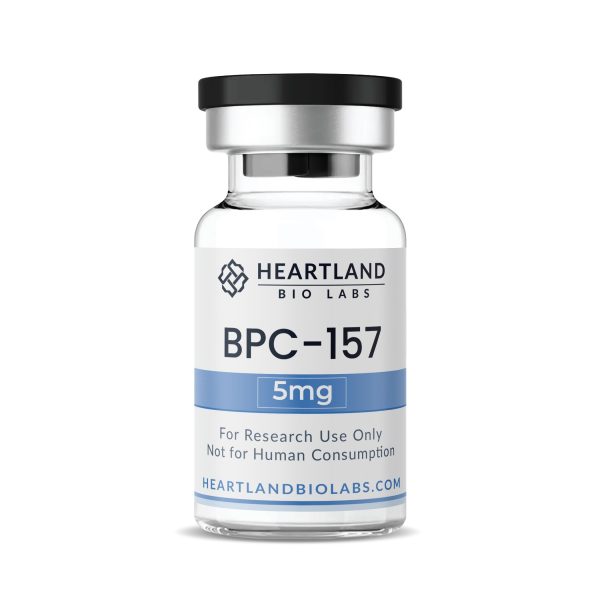
| BPC-157 5 mg | 2 mL | 2.5 mg/mL | 250 mcg | Try it ↑ |
| TB-500 5 mg | 2.5 mL | 2 mg/mL | 200 mcg | Try it ↑ |
| Retatrutide 10 mg | 2 mL | 5 mg/mL | 500 mcg | Try it ↑ |
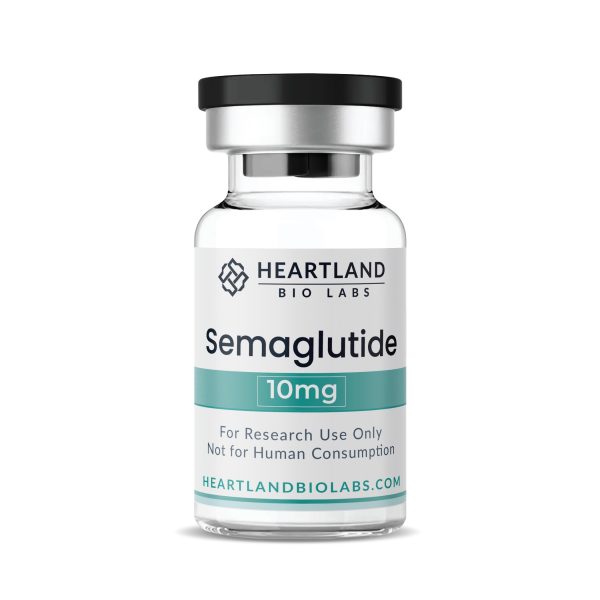
| Semaglutide 5 mg | 2 mL | 2.5 mg/mL | 250 mcg | Try it ↑ |
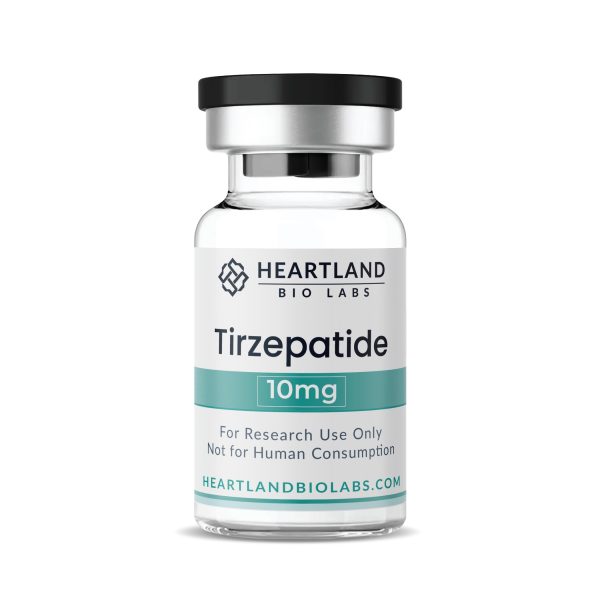
| Tirzepatide 10 mg | 2 mL | 5 mg/mL | 500 mcg | Try it ↑ |
| GHK-Cu 50 mg | 5 mL | 10 mg/mL | 1,000 mcg | Try it ↑ |
| Sermorelin 5 mg | 2 mL | 2.5 mg/mL | 250 mcg | Try it ↑ |
Common reconstitution errors
Four mistakes account for most bad reconstitution math:
- Confusing mg and mcg. There are 1,000 mcg in 1 mg; a slipped decimal here is a thousandfold error.
- Treating syringe “units” as a quantity of peptide. A unit on a U-100 scale is a volume marking equal to 0.01 mL — the peptide it contains depends entirely on the concentration prepared.
- Using total vial volume instead of diluent volume. Concentration is mass ÷ the diluent actually added, not the vial's nominal capacity.
- Assuming the label mass is exact. The printed figure is a nominal fill quantity; net peptide content on the lot's certificate of analysis is the measured number, and the difference between purity and net content matters when precision does.
About the diluent
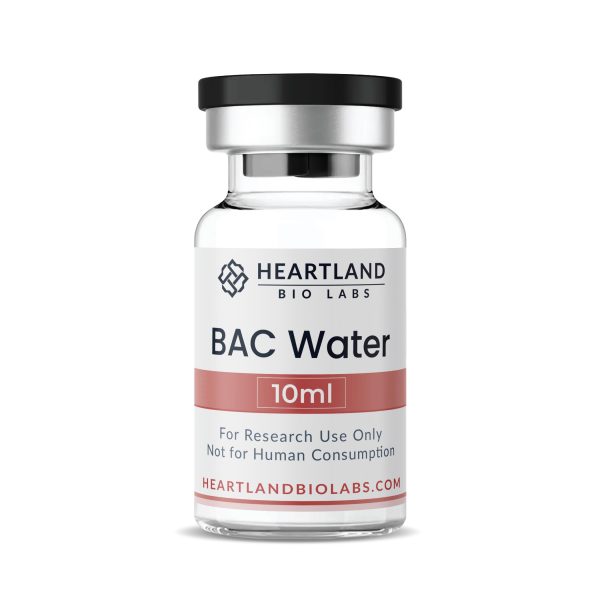
Bacteriostatic water — sterile water with 0.9% benzyl alcohol — is the standard diluent for multi-withdrawal laboratory preparations: the benzyl alcohol inhibits bacterial growth in the vial between uses, which is why bacteriostatic preparations are conventionally held refrigerated for up to about 28 days while plain sterile-water preparations are used promptly. A small number of peptides with poor water solubility are first wetted in a minimal volume of acetic acid or DMSO before dilution; the product page and certificate of analysis for a given compound note when that applies.
Bacteriostatic water — lab tested, COA Browse research peptides
Research peptides & lab supplies
Compounds this calculator is most often used alongside — every product ships with a published certificate of analysis you can read before ordering.
Reconstitution FAQ
- What is peptide reconstitution?
- Reconstitution is the laboratory step of dissolving a lyophilized (freeze-dried) peptide in a suitable diluent to produce a solution of known concentration. Lyophilized peptides ship as a dry powder because the dry form is far more stable in transit and storage; before material can be used in research, it must be returned to solution. The concentration of the resulting solution is simply the mass of peptide in the vial divided by the volume of diluent added.
- What diluent is used to reconstitute peptides?
- Bacteriostatic water — sterile water containing 0.9% benzyl alcohol — is the standard diluent for multi-use laboratory preparations, because the benzyl alcohol inhibits bacterial growth in the vial between withdrawals. Sterile water without a bacteriostatic agent is suitable only for single-use preparation. Some peptides with poor water solubility are first wetted with a small volume of acetic acid or DMSO before dilution; the certificate of analysis and published literature for a given compound indicate when this applies.
- How much bacteriostatic water should be added to a vial?
- There is no single correct volume — the volume added determines the concentration, and the right concentration depends on how the solution will be measured out. Adding more diluent produces a more dilute solution, which makes each aliquot a larger, easier-to-measure volume; adding less produces a more concentrated solution in smaller volumes. The calculator on this page shows how the numbers change: enter the vial mass and any candidate volume, and it reports the resulting concentration and the volume of any given aliquot.
- How do syringe units convert to milliliters?
- On a standard U-100 insulin-type syringe, the unit scale is a volume scale: 100 units equals 1 mL, so one unit equals 0.01 mL. The mass contained in one unit depends entirely on the concentration of the solution — one unit of a 2 mg/mL solution contains 20 mcg, while one unit of a 5 mg/mL solution contains 50 mcg. The calculator reports both the mcg-per-unit figure and the unit measure of a chosen aliquot.
- How should reconstituted peptides be stored?
- Lyophilized vials are typically stored refrigerated or frozen and protected from light; the storage conditions on each product page and certificate of analysis are the reference. Once reconstituted, solutions are generally stored refrigerated at 2–8 °C and used within the window supported by the diluent — bacteriostatic preparations are conventionally held up to about 28 days in the laboratory setting, while preparations in plain sterile water are used promptly. Repeated freeze–thaw cycles of a solution degrade peptides and are avoided.
- Does adding more bacteriostatic water change how much peptide is in the vial?
- No. The vial contains a fixed mass of peptide regardless of diluent volume. The water only changes the concentration — how much of that mass is present in each milliliter of solution. Adding 2 mL to a 10 mg vial yields 5 mg/mL; adding 4 mL yields 2.5 mg/mL; the total peptide is 10 mg either way.
- Why do reconstitution calculations use mcg instead of mg?
- Working aliquots in research settings usually involve fractions of a milligram, and micrograms (1,000 mcg = 1 mg) keep those figures as whole numbers. A slipped decimal between mg and mcg is a thousandfold error — the most common mistake in reconstitution math — so the calculator displays both units explicitly.
- Why does the solution need to be swirled rather than shaken?
- Peptides are fragile molecules, and vigorous shaking creates shear forces and foaming that can denature them. Standard practice is to direct the diluent slowly down the inside wall of the vial rather than directly onto the powder, then swirl gently until the solution is clear. A solution that remains cloudy or shows particulates after gentle mixing indicates incomplete dissolution or degraded material and is not used.
All products sold by Heartland Bio Labs are intended exclusively for in vitro research, laboratory investigation, and ex vivo studies by qualified scientific personnel. These products are not approved by the FDA or any regulatory authority for human or animal use. They are not drugs, dietary supplements, food additives, or medical devices.
These products are not for human consumption, self-administration, veterinary use, or therapeutic application of any kind. No information on this website constitutes medical advice, treatment recommendations, or dosage guidance.
By purchasing from Heartland Bio Labs, the buyer represents that they are a qualified researcher or institution using these materials solely for lawful laboratory research. See our full Research Use Policy.